Chainsaw Man's Shocking Finale Strategy: The Complete Menu of "Makima Cuisine" and an Analysis of the Devouring Action Filled with Love
 ANIHK 編輯部
At the end of the first part of "Chainsaw Man," the "Public Safety Arc," author Tatsuki Fujimoto concludes the final battle between the protagonist Denji and the Control Devil Makima with a scene that is both extremely shocking and rich in symbolism. This scene is what fans jokingly refer to as the "Makima Cuisine" incident. This is not a metaphor, but a literal plot point. This article will delve into an analysis of this shocking "feast," exploring the motivations behind it, the specific dishes involved, and its profound meaning within the story.
Why Did Makima Have to Be "Cooked"? The Only Way to Bypass the Immortality Contract
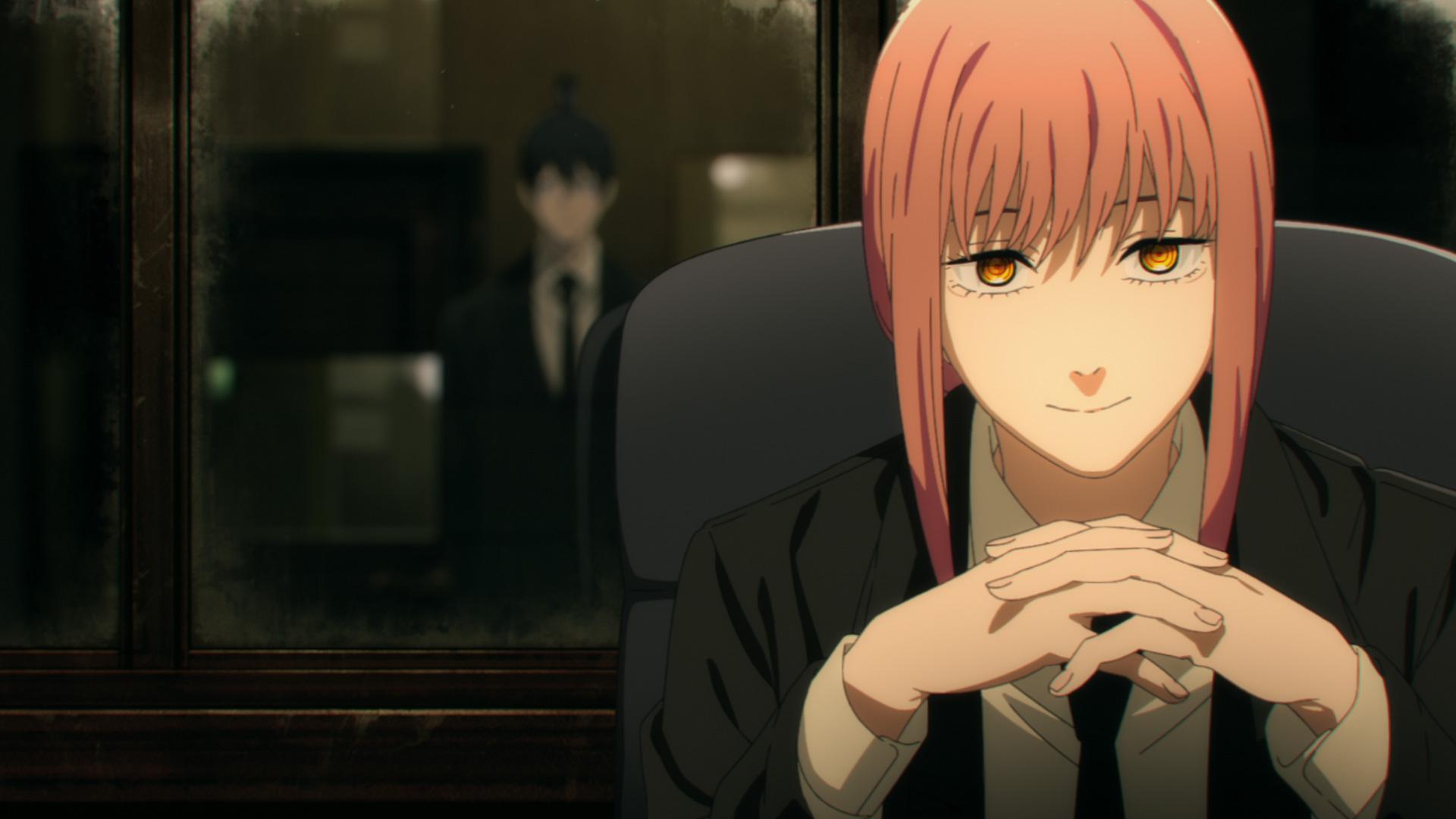
To understand why Denji had to turn Makima into cuisine, one must first understand her nearly invincible survival ability. Makima's true identity is the "Control Devil." She made a contract with the Prime Minister of Japan, stipulating that any harm inflicted upon her would be transferred, in the form of disease or accidents, to random Japanese citizens. This allowed her to revive no matter how many times she was killed, making her a physically indestructible existence.
Faced with this unsolvable problem, Denji realized that all traditional "attack" behaviors would trigger the contract, allowing Makima to regenerate. Therefore, he had to find a method of elimination that would not be judged by the system as an "attack."

Transforming Attack into Love: A Farewell That Defies Logic
In the final battle, Denji used Makima's blind spot—her focus solely on "Chainsaw Man" while underestimating him personally—to successfully defeat her. However, the real challenge was how to prevent her from reviving. The method Denji conceived was to completely eat her body.
This seemingly grotesque act's core logic lies in the transformation of motive. Denji explains to Kishibe that he did this not out of hatred or malice, but out of a form of "love"—a desire to "become one" with Makima and bear all her sins. He hoped that through this method, he could forever make this woman, whom he both loved and hated, a part of himself. Because the essence of this act was "love" and not an "attack," it successfully bypassed the judgment rules of the revival contract, preventing Makima from ever reassembling and reviving.