Deep Dive into the Worldview of Chiikawa: Beneath the Cute Exterior, Why Are There Hidden Cruel Survival Rules and Dark Mysteries?
 ANIHK 編輯部
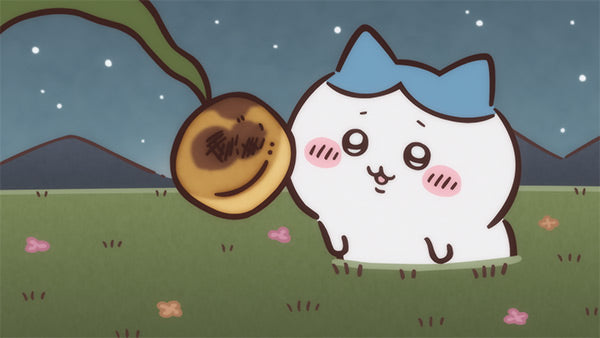
In recent years, "Chiikawa" (ちいかわ), created by Japanese manga artist Nagano (ナガノ), has swept the globe with its cute and healing art style, becoming a phenomenal IP. However, many fans were surprised to discover, upon deeper understanding, that this seemingly peaceful and beautiful world actually hides a profound, complex, and somewhat dark "Chiikawa worldview." This article will take you on an exploration of this charming world, analyzing the reality and cruelty beneath its cute exterior.
More Than Just Cuteness! The Basic Setting of the Chiikawa World
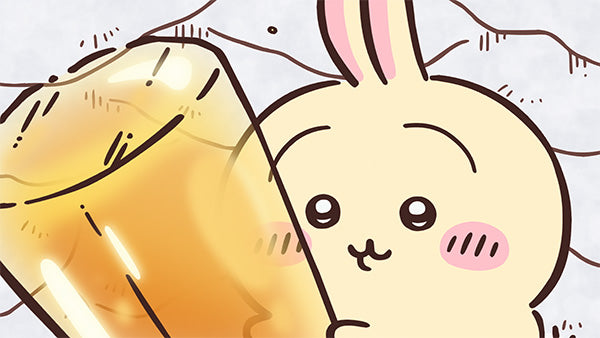
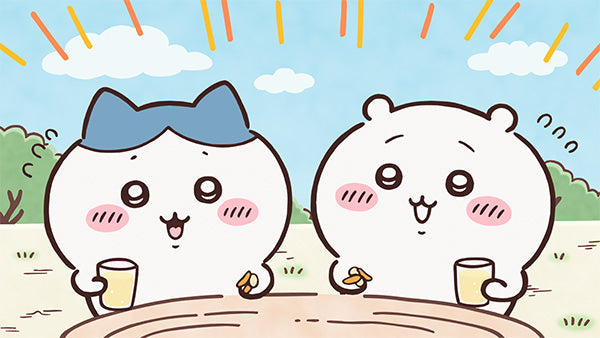
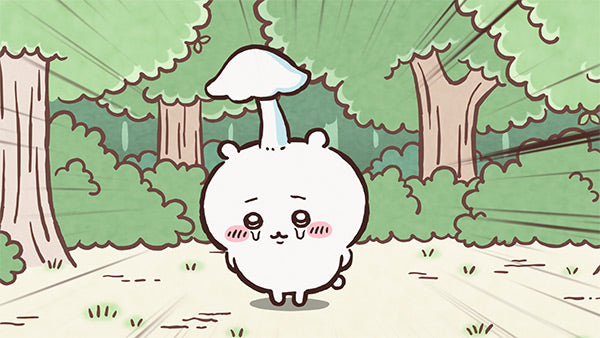
The world of "Chiikawa" is inhabited by a group of two-headed animal characters collectively known as the "Chiikawa Tribe" (ちいかわ族). The daily lives of the protagonist Chiikawa, his friend Hachiware (the cat), and Usagi (the rabbit) form the main storyline. In this world, giant delicacies sometimes appear out of thin air, or there are "Waki-dokoro" (welling spots) that gush forth food, making it seem like a dreamy paradise.
However, this is not a utopia. The Chiikawas live in a civilized society with a monetary economy, the internet, and even social classes. Their survival is not carefree; they need to earn a living through "labor."

The Core of Survival: The Realistic "Labor" and "Subjugation"
One of the most fascinating aspects of the Chiikawa worldview is its clever reflection of real society. The Chiikawas must work to earn money, and the work is mainly divided into two categories:
- Basic Labor: Includes "weeding," "gathering," "sticking stickers," etc. These jobs are relatively safe but offer lower pay.
- Subjugation: This is high-risk, high-reward work that involves fighting "monsters" that threaten the world. Those with excellent subjugation results are regarded as heroes; for example, the top-ranked "Sea Otter Hero" is an object of admiration.
Furthermore, this world also has a "qualification examination" system. Obtaining certifications like "Weeding Examination Level 5" or the more difficult "Super Part-Timer" not only yields higher pay but is also a way to improve one's social status. The story of the protagonist Chiikawa, who, after many failures, finally recently passed the Weeding Examination Level 5, has moved countless readers. This technique of incorporating real-world elements like effort, failure, and class differences into a cute art style creates a strong resonance.