Deconstructing the Soul of "Kaiju No. 8": Understanding Captain Mina's Authority and Girlish Heart Through Her Japanese Name "Ahab Mina"
 ANIHK 編輯部
"亜白ミナ": The Duality Within the Name
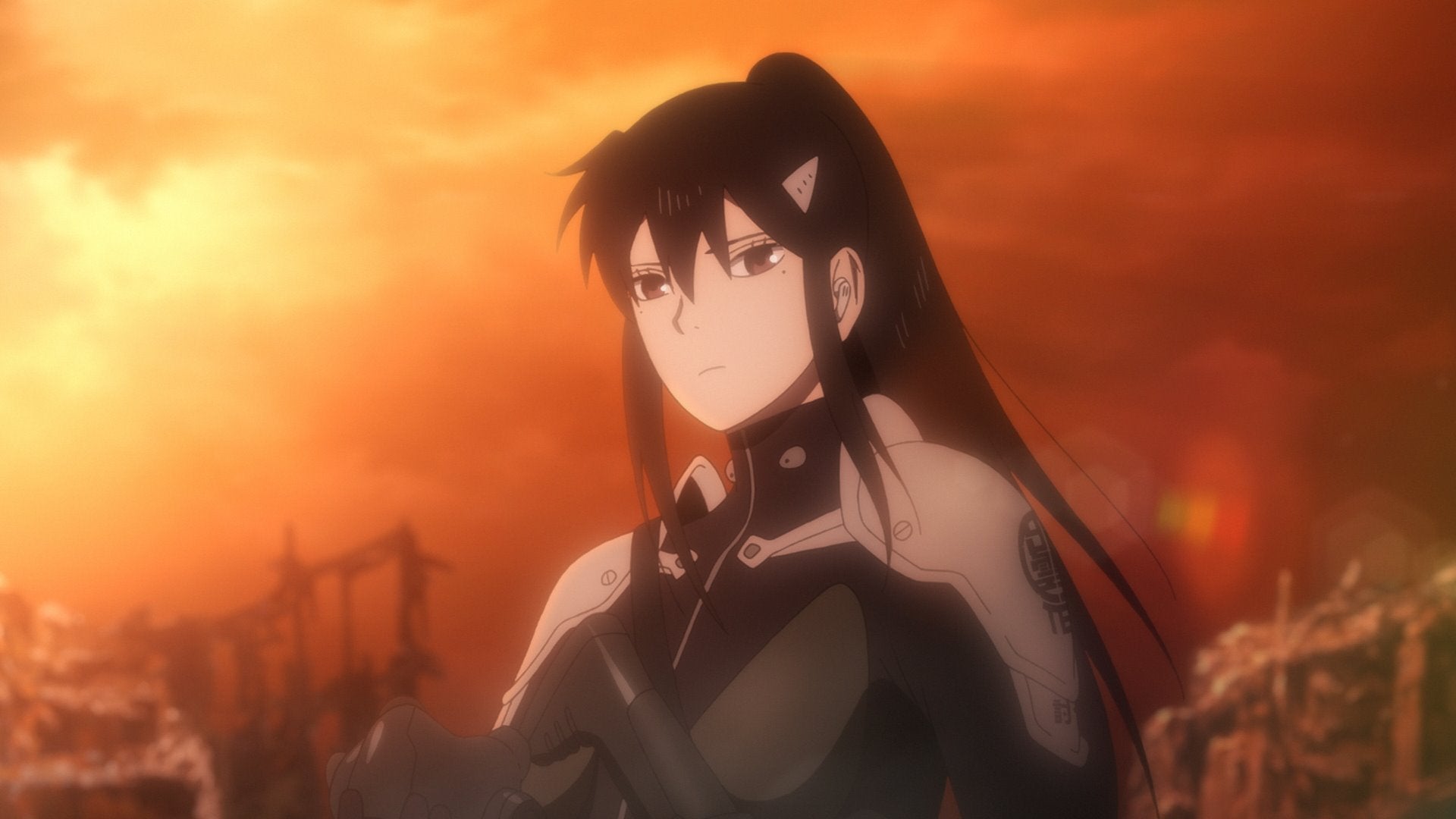
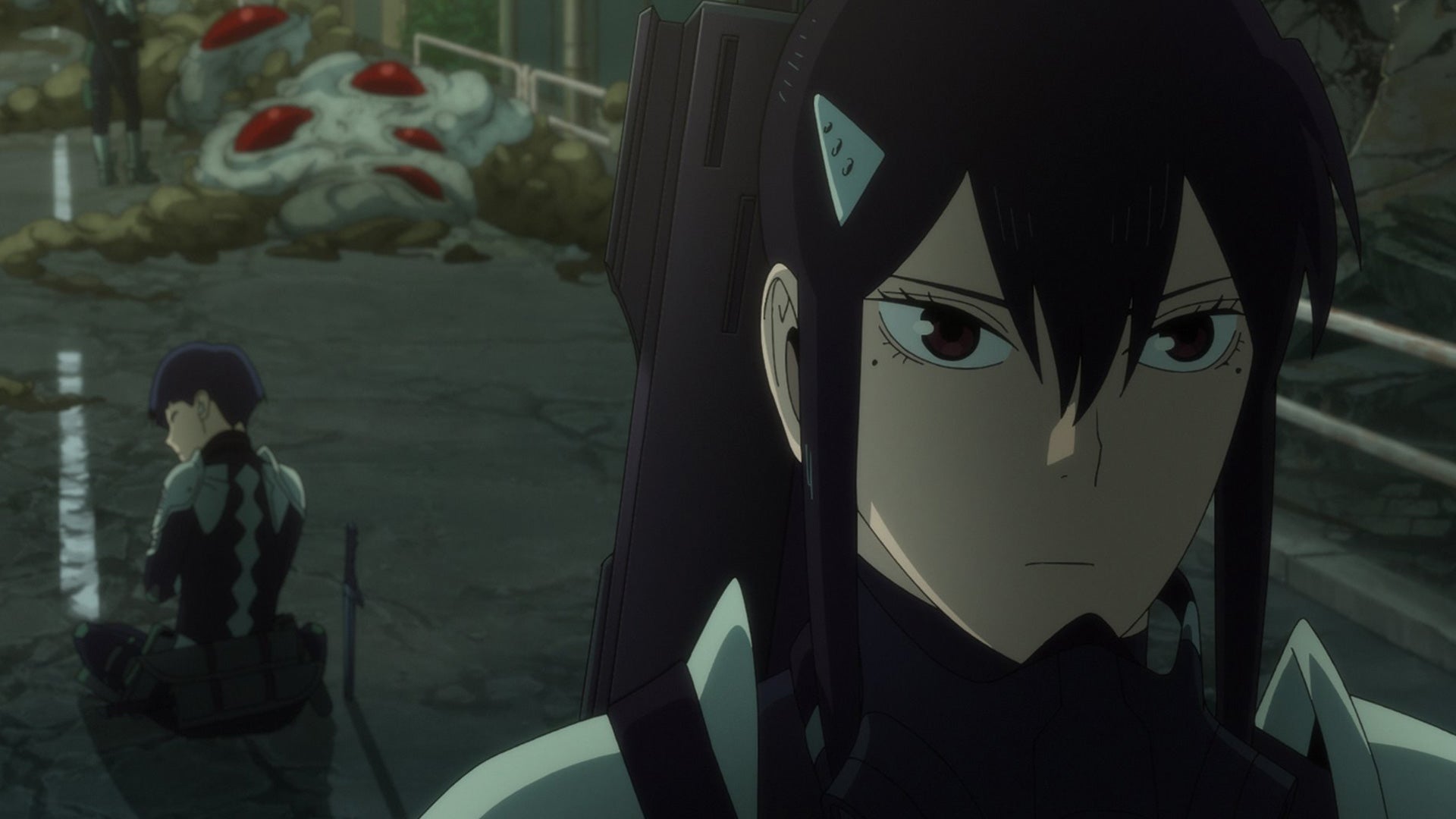
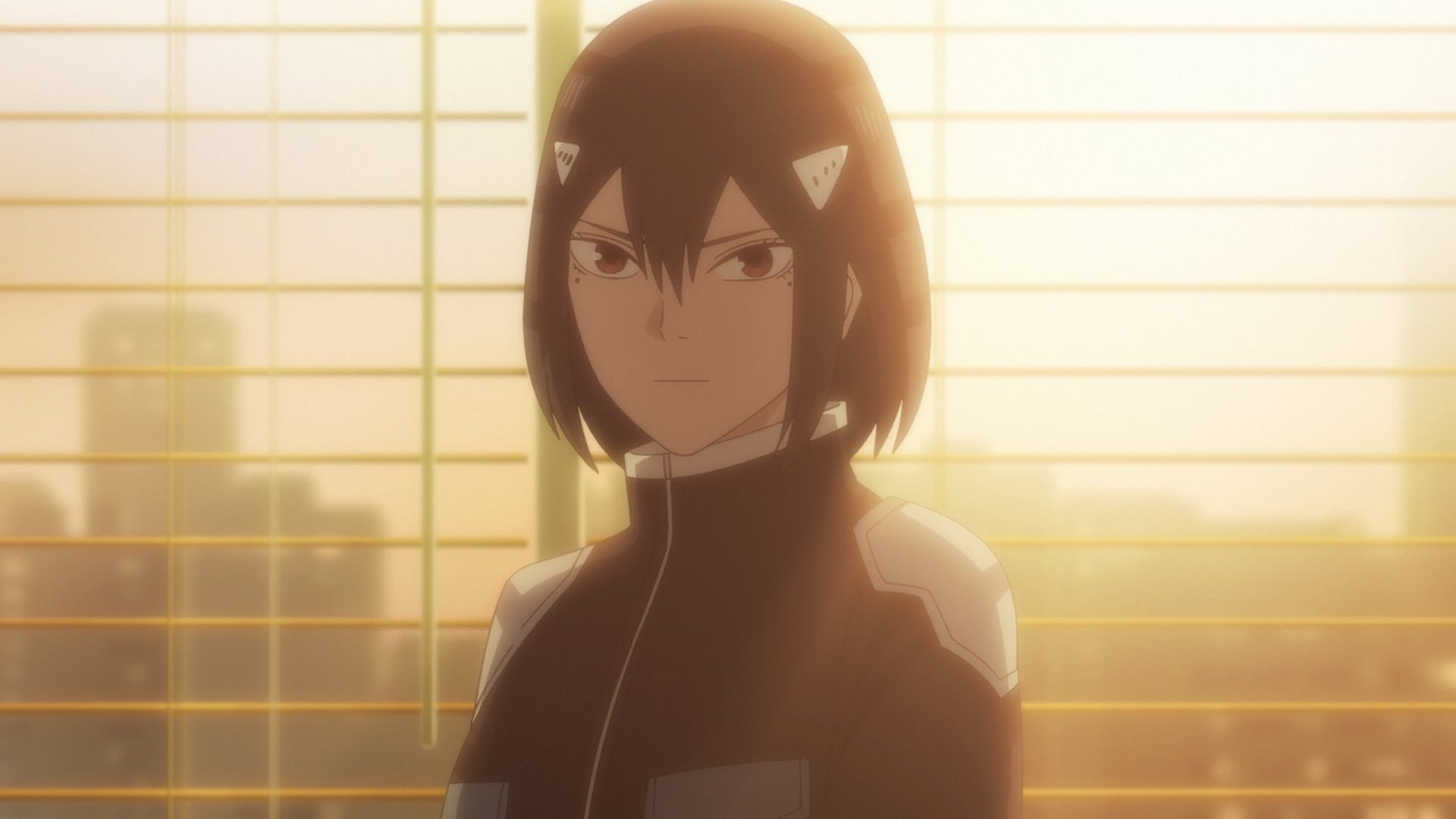
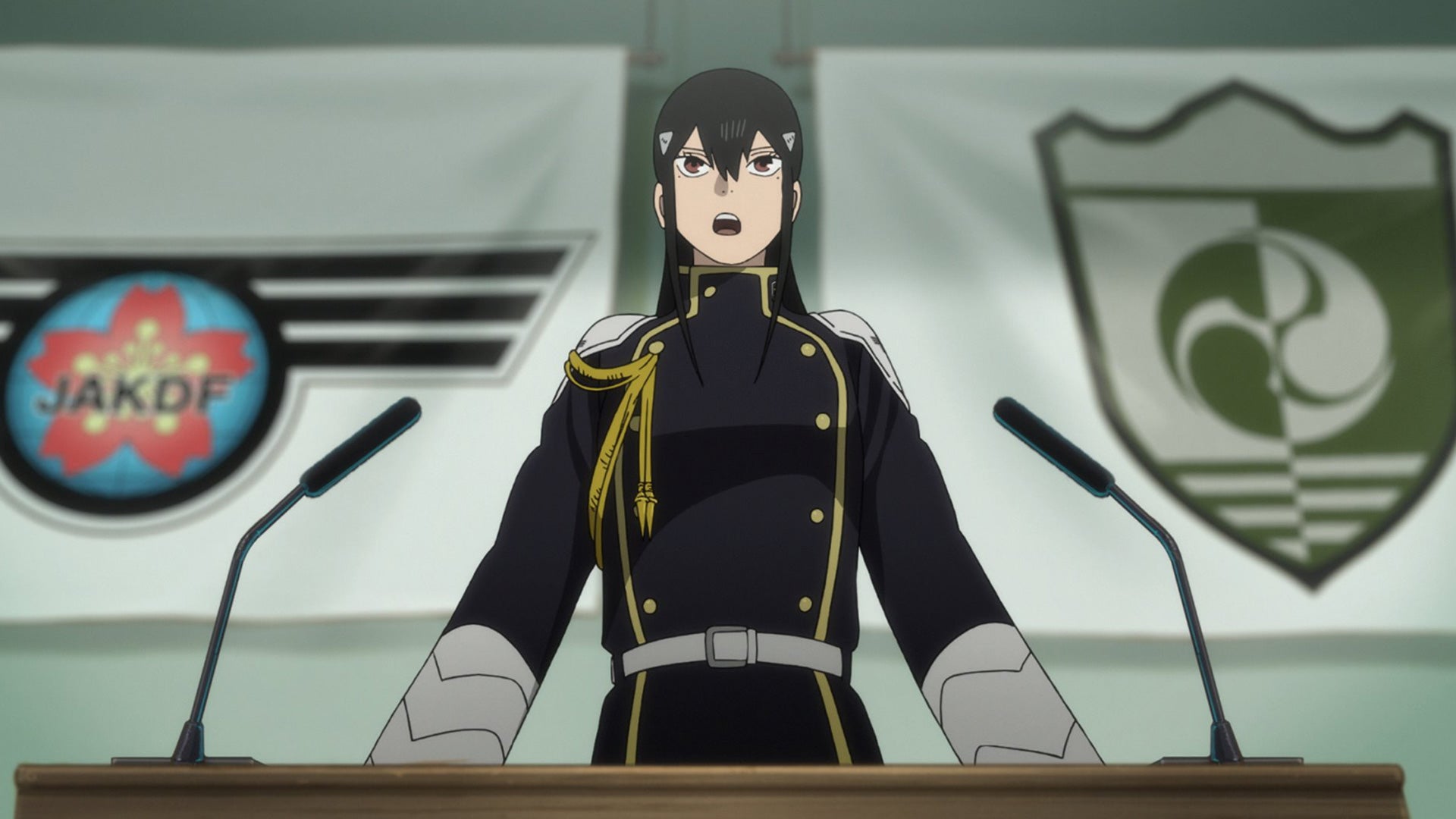
In the popular work "Kaiju No. 8," Kikoru Ashiro is not only the childhood friend and goal of the protagonist Kafka Hibino, but also the highly respected captain of the 3rd Division in the Japan Defense Force. Her dignified image, overwhelming strength, and the deep bond she shares with Kafka make her an indispensable soul of the story. This article will start from her Japanese original name "亜白ミナ," analyze the possible meanings behind her name, and explore how voice actress Asami Seto perfectly portrays this hero who possesses both majesty and tenderness with her voice.
"亜白ミナ": The Duality Within the Name
Kikoru Ashiro's full Japanese name is written as "亜白 (あしろ) ミナ (みな)". The composition of this name cleverly hints at the character's dual traits.
-
Surname "亜白 (Ashiro)": This is a rather rare Japanese surname. The character "亜" carries the meaning of "next to, secondary," while "白" symbolizes purity, sacredness, and clarity. Combined, it can be interpreted as "an existence next to pure white," which aligns with her status as a top-tier member of the Defense Force, second only to the strongest captain, Mina Ashiro. Simultaneously, the "white" also resonates with her dignified, untouchable hero image.
-
Given Name "ミナ (Mina)": Unlike the surname rich with kanji connotations, her given name "ミナ" is written in katakana. In Japan, katakana is often used for loanwords or terms that need special emphasis, giving her name a modern and soft feel, contrasting with the traditional dignity represented by the surname. Interestingly, the reading "ミナ" in Japanese can correspond to many kanji, such as "美奈" or "実奈," all carrying gentle, feminine connotations. This naming style seems to suggest that beneath the captain's tough exterior, she still retains the tender heart of the childhood friend.