
How could anyone not like Miku Nakano? An in-depth analysis of the four major controversies behind the sunny angel in "The Quintessential Quintuplets"
 ANIHK 編輯部
I. The Controversy of the Ending: The Disparity Between Screen Time and Victory
In the phenomenal romance work 'The Quintessential Quintuplets,' Nakano Yotsuba, with her sunny, cheerful, and selflessly devoted image, is affectionately called 'Little Angel' by many fans. She is always the first to support the male protagonist Fuutarou, quietly working for the happiness of all her sisters. In the end, it was this angel who won Fuutarou's heart. However, a seemingly contradictory question is constantly raised within the fandom: 'How could anyone dislike Nakano Yotsuba?'

On the surface, Yotsuba is almost a flawless, zero-negative-review perfect character. But why, after the ending was revealed, has criticism against her never ceased? In fact, the dissatisfaction with her is not unfounded; it stems from complex feelings about the plot arrangement, character development, and factional rivalry culture. This article will delve into why this ultimate winner still became a controversial figure for some fans.
I. The Controversy of the Ending: The Disparity Between Screen Time and Victory
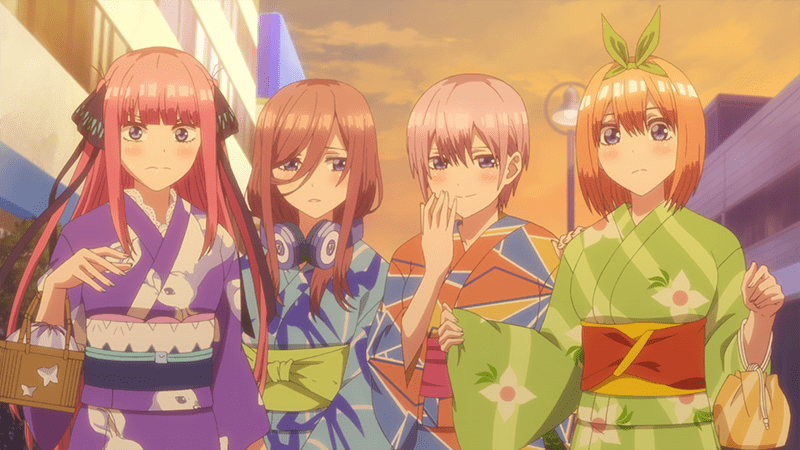
For many fans, the most direct reason for disliking Yotsuba stems from shock and dissatisfaction with the ending. In the middle and later parts of the story, Nino's bold confession and Miku's gentle advances accumulated substantial and obvious romantic development, making their fans firmly believe their favorite was destined to win.
In contrast, Yotsuba's romantic development is much more subtle. Many of her key plot points, such as her childhood identity as 'Rena,' are presented through flashbacks and foreshadowing, making her current romantic progress seem relatively stagnant. Therefore, when the ending revealed Yotsuba as the winner, many found it emotionally hard to accept, feeling her victory lacked sufficient narrative buildup, seemed to 'come out of nowhere,' and even criticized the author's arrangement as 'plot convenience,' sacrificing the efforts of other characters.
II. The Double-Edged Sword of Self-Sacrifice: Is It Gentleness or Passivity?

Yotsuba's core personality trait is altruism; she always prioritizes her sisters' needs above her own. However, this extreme self-sacrifice is a double-edged sword. In supporters' eyes, this is her most gentle and greatest quality; but to some viewers, this behavior borders on passivity, even an escape.
Some argue that Yotsuba, due to the guilt from hurting her sisters in childhood, developed a strong sense of unworthiness, making her afraid to pursue her own happiness. This 'my happiness is a sin' mindset caused her to constantly suppress her true feelings and refuse to face her own desires. This excessive self-repression led some readers to feel her character growth arc was incomplete, even believing she never truly bravely acted for herself until the very end.