Cosmic Princess Kaguya! x Hatsune Miku: How VOCALOID Anime is Reshaping Japanese Pop Culture
 ANIHK 編輯部
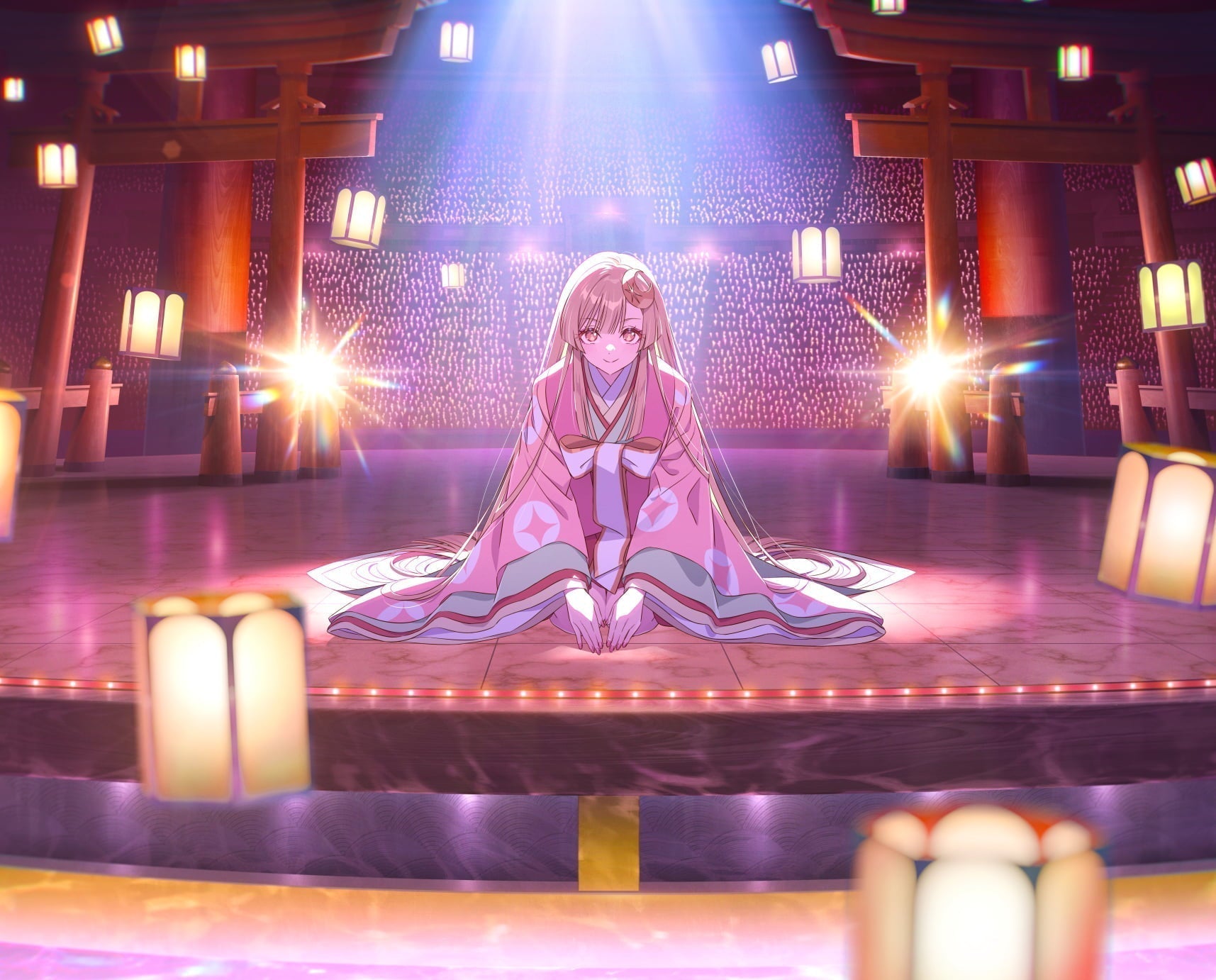
When we discuss modern Japanese animation, music is no longer merely a background score but has become an integral part of the narrative itself. Netflix's original anime Cosmic Princess Kaguya! perfectly exemplifies this trend, seamlessly blending virtual singers with traditional animation through the participation of numerous renowned VOCALOID producers. This work is not only a visual feast but also a significant milestone in the evolution of Japanese pop culture, marking a grand fusion of classical literature, modern technology, and virtual idol culture.
VOCALOID: From Technological Innovation to Cultural Phenomenon
To understand the musical cultural significance of Cosmic Princess Kaguya, we must first trace the development of VOCALOID. VOCALOID is a singing synthesis software technology developed by Japan's Yamaha Corporation. In 2003, Yamaha launched the first generation of VOCALOID, ushering in a new era of computer-generated vocal singing. However, the moment that truly changed everything arrived in 2007. That year, the virtual singer "Hatsune Miku," based on the VOCALOID 2 engine, was officially born.
The emergence of Hatsune Miku was not only a technological breakthrough but also a cultural revolution. This virtual singer possesses distinctive turquoise long hair, a youthful female voice, and infinite possibilities. Most crucially, Yamaha adopted a bold marketing strategy: positioning Hatsune Miku as an open platform, allowing global music creators to purchase software licenses and then freely create and distribute songs featuring Hatsune Miku's voice. This decision fundamentally altered the ecosystem of music creation.
Hatsune Miku rapidly became a superstar within Japanese internet culture. Music producers, illustrators, and animators began utilizing this virtual singer to create music videos, design virtual concerts, and even build fan communities. From her launch in 2007 to the present day, Hatsune Miku has held countless virtual concerts, attracting millions of fans worldwide. She is no longer just a piece of software but a symbol of Japanese cultural export, representing Japan's leading position in the realms of virtual idols and digital culture.
From The Tale of the Bamboo Cutter to the Virtual Stage: An Encounter with Modernity
The core premise of Cosmic Princess Kaguya is precisely this fusion of VOCALOID culture with the Japanese classical literature The Tale of the Bamboo Cutter. Completed in the 10th century, The Tale of the Bamboo Cutter is one of Japan's oldest surviving literary works, telling the story of a moon princess who is banished to Earth for a transgression and is eventually recalled to the moon. This story holds profound influence in Japanese culture and has been adapted countless times.
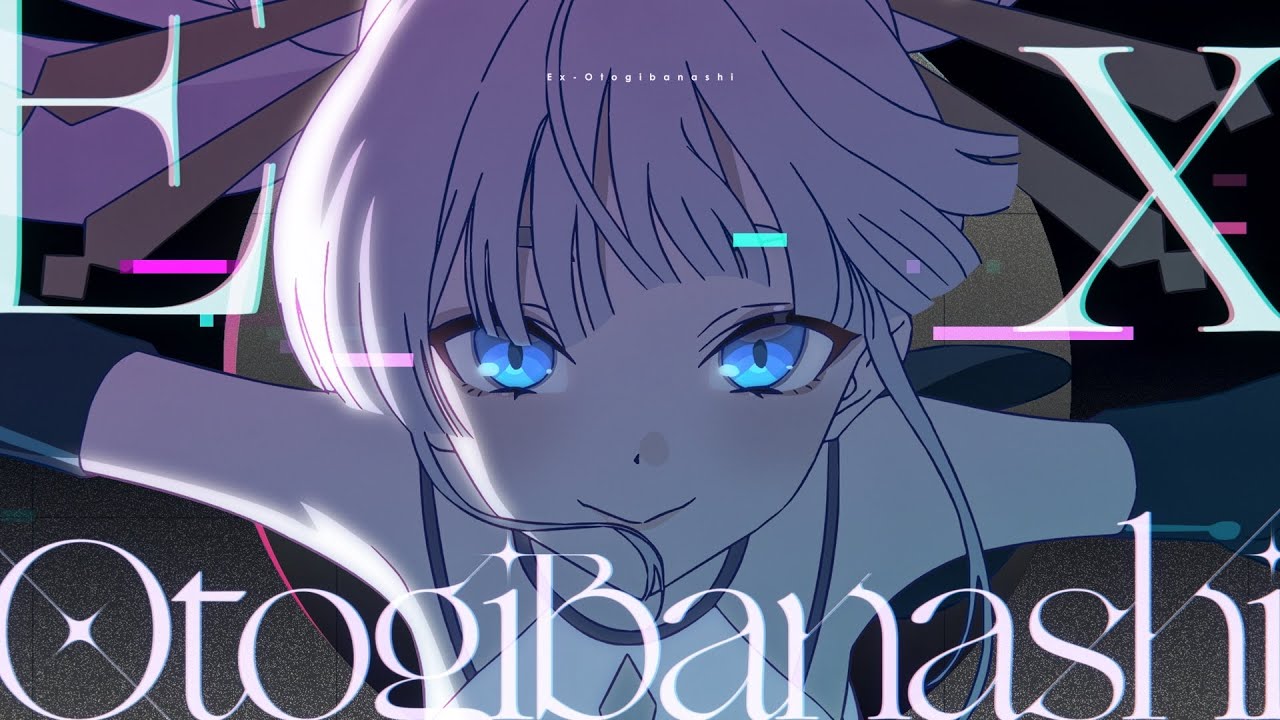
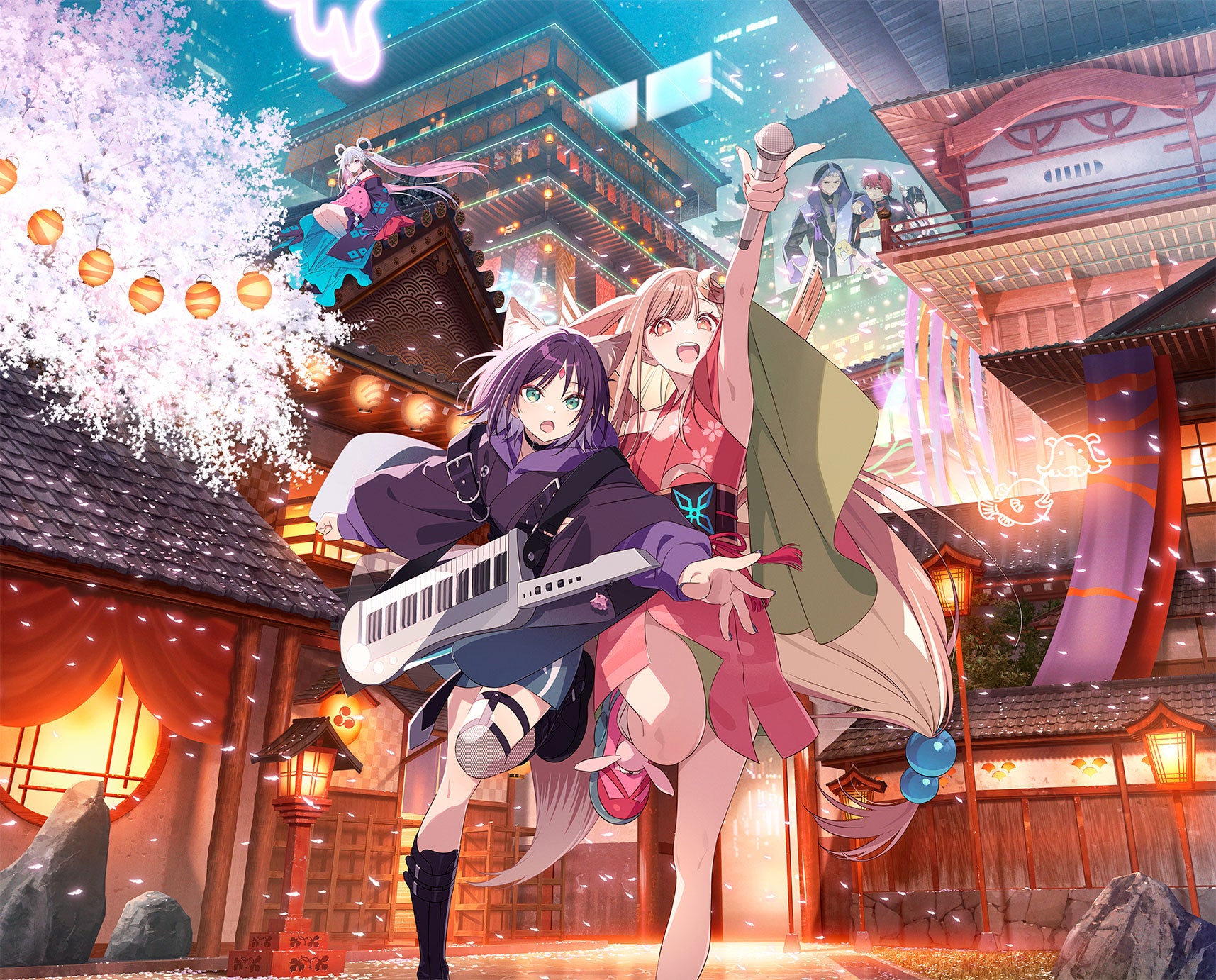
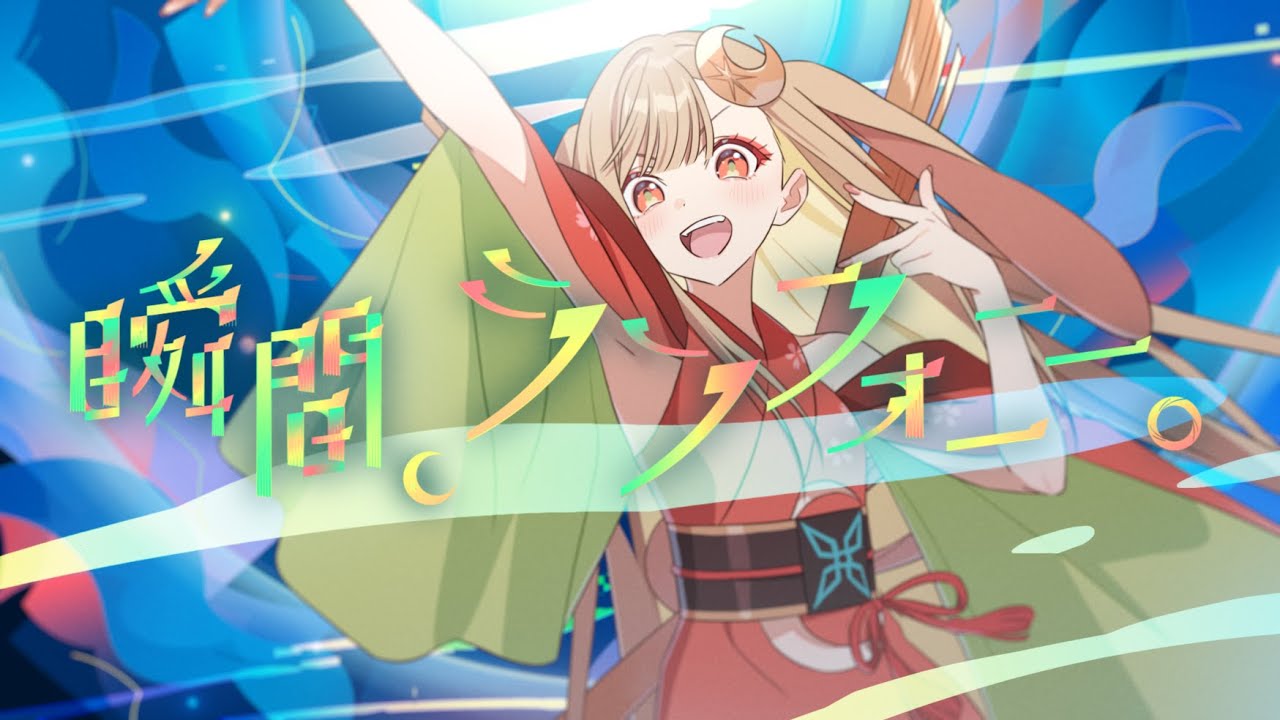
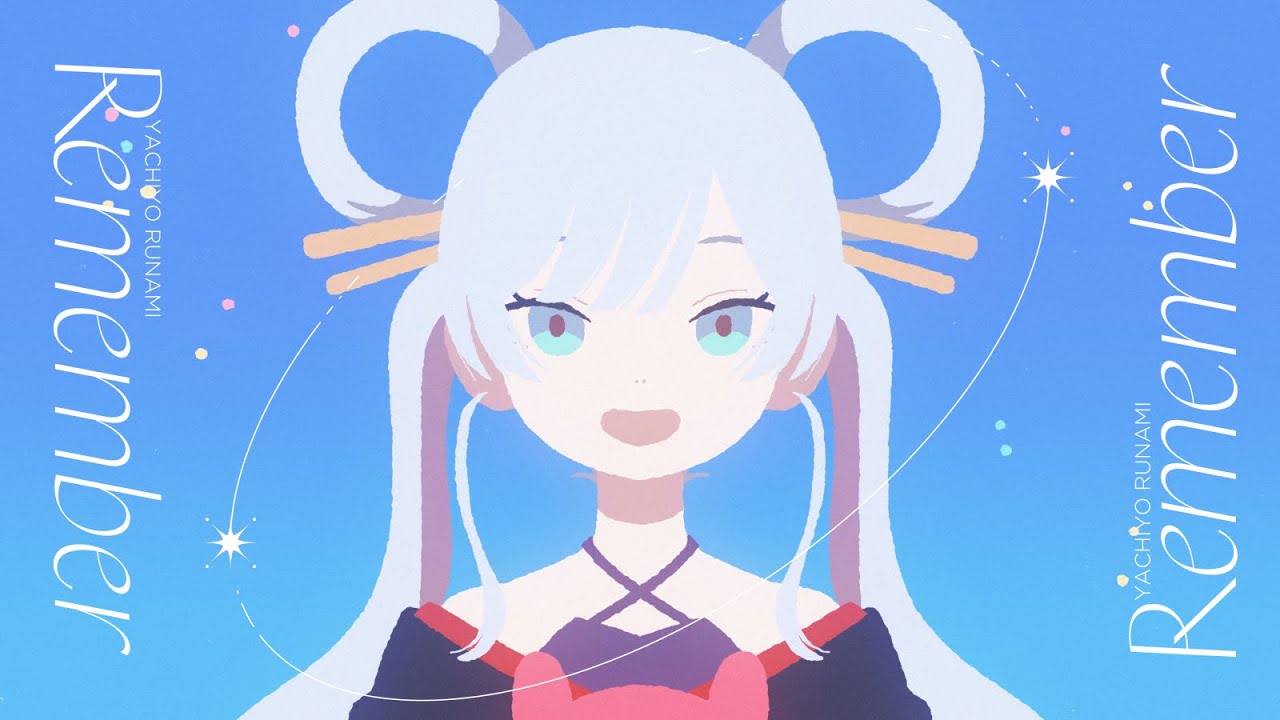
However, Cosmic Princess Kaguya's adaptation is unique. The film places the classical Kaguya in Tokyo of 2026 and connects her with virtual idol culture. The virtual world "Tsukuyomi" within the film becomes the central stage of the story, and the virtual idol Yachiyo Runami becomes its soul. This is not merely a simple change in timeline but a rethinking of cultural essence.
The supernatural elements of classical literature—the celestial maiden, the moon palace, fate—are transformed in the modern context into the virtual world, digital existence, and time loops. This transformation does not diminish the power of the original; instead, it breathes new life into it. Modern audiences can, through the familiar concept of virtual idols, gain a deeper understanding of the classical literary themes of freedom, sacrifice, and eternal reunion.

The Stellar Lineup of the Music Production Team
The success of Cosmic Princess Kaguya is largely due to the exceptional caliber of its music production team. Director Shingo Yamashita specifically invited several influential producers from the VOCALOID music scene to participate in this project. These producers are not outsiders but artists who have been deeply immersed in virtual singer culture for years, possessing a solid creative foundation.
What these producers brought was not only high-quality music but also a profound understanding of virtual culture. They know how to blend a virtual singer's voice with a character's emotions, how to drive narrative development through music, and how to create convincing bridges between the virtual and the real. Every song in the series is not a simple insert track but a key moment in the story's progression.
| Production Aspect | Traditional Animation | Cosmic Princess Kaguya |
|---|---|---|
| Role of Music | Background Score | Narrative Core |
| Singer Type | Human Voice Actors | Virtual Singer + Voice Actor |
| Production Method | Voice Acting First, Then Music | Music and Visuals Synchronized |
| Cultural Connotation | Traditional Animation Culture | Virtual Idol + Classical Literature |
The Narrative Function of Music in the Series
The screenwriters and music producers of Cosmic Princess Kaguya cleverly utilize songs to drive the story forward. In traditional animation, songs typically appear at story climaxes as tools for emotional release. However, in this work, music plays a more central role.
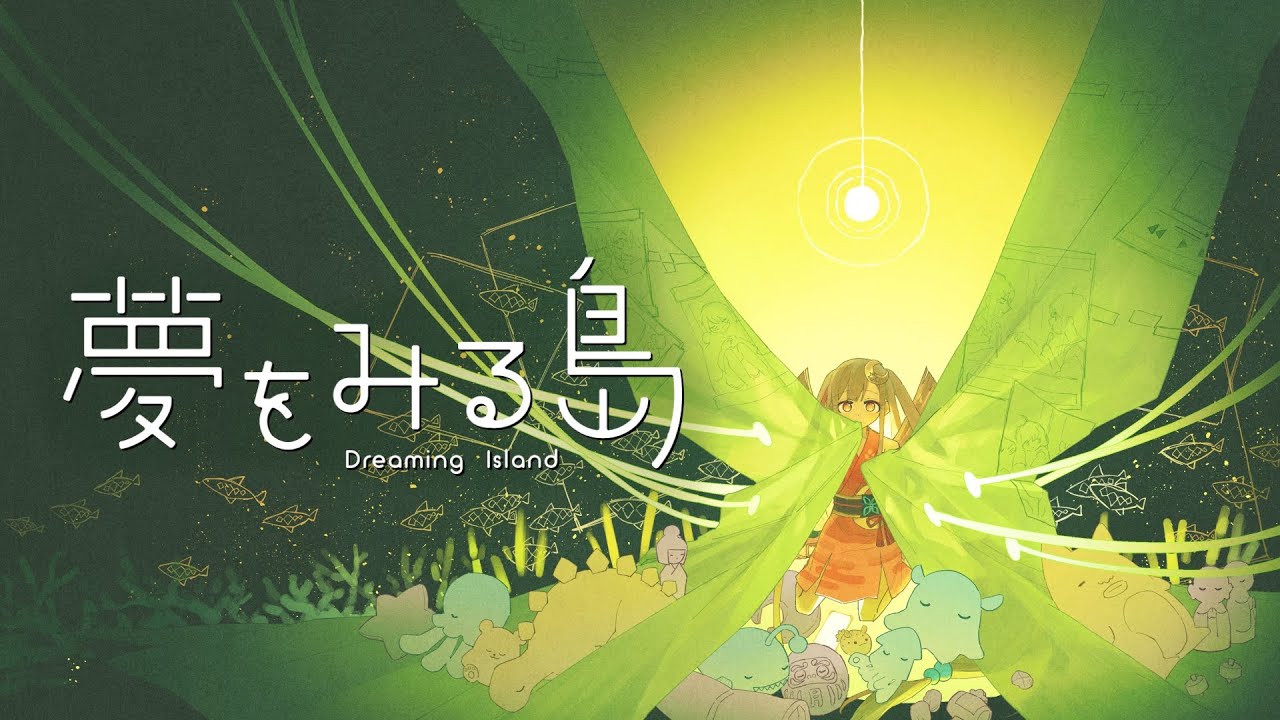
Songs become the trigger mechanism for the time loop. Iroha's singing summons Kaguya, initiating the entire spacetime incident. Yachiyo Runami communicates spiritually with the Kaguya of the past through singing in the virtual world. Music is no longer just an expression of emotion but a force that alters reality. This setup hints at the power of music as humanity's most primal form of communication—it can transcend the limitations of time, space, and matter, connecting soul to soul.