Why are passionate anime always the audience's favorite? A detailed analysis of the reasons
 ANIHK 編輯部
1. Immersion and Self-Projection: The Hero's Journey of Ordinary People
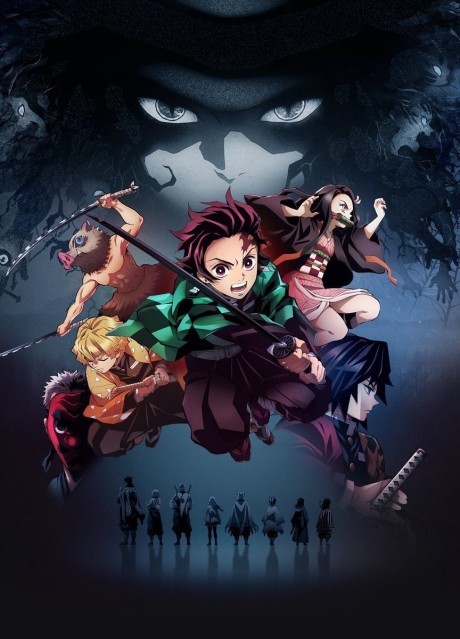
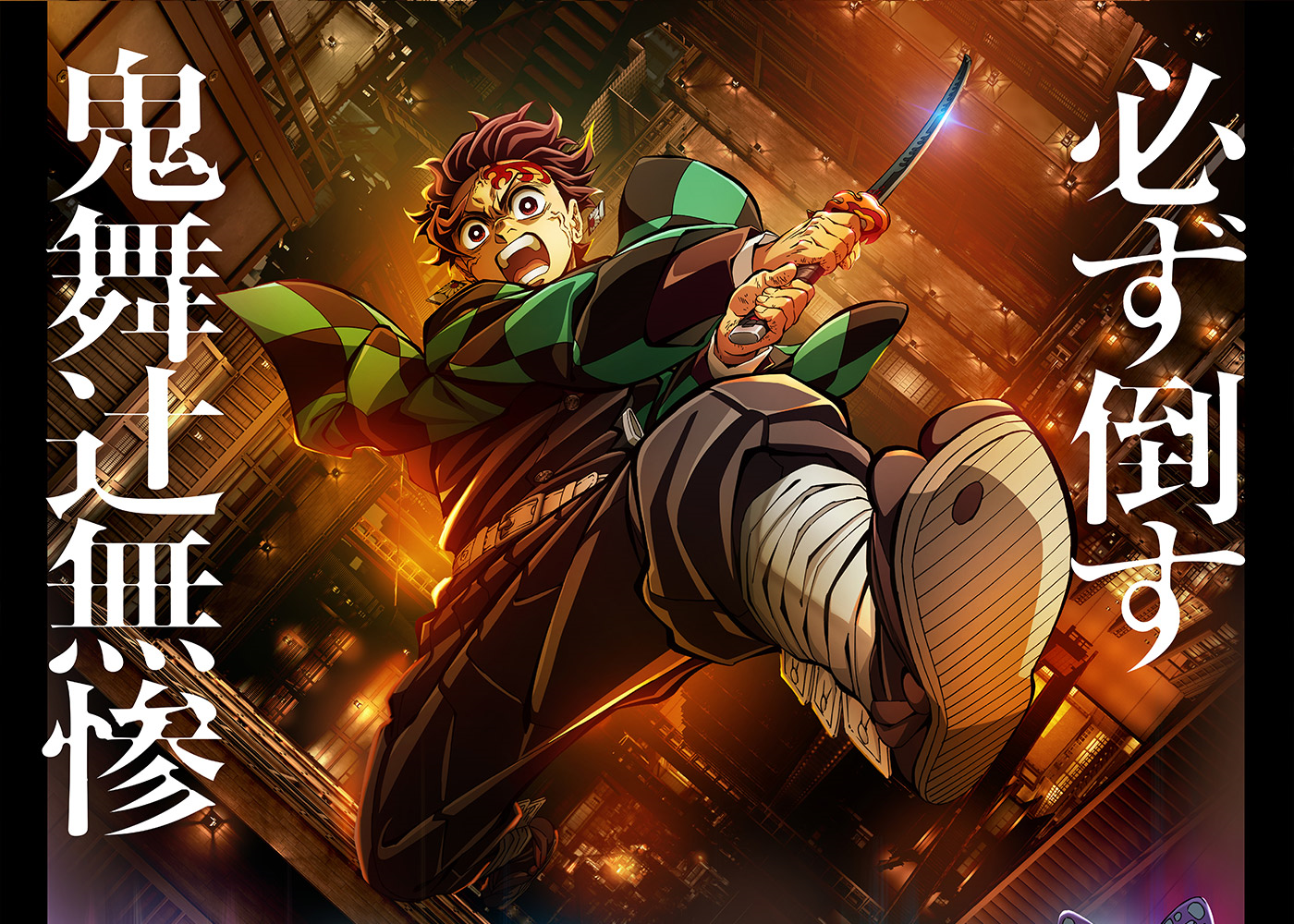
Whenever "热血动漫" is mentioned, it always makes countless viewers' eyes light up—whether it's the moment when Luffy in "One Piece" shouts "I'm going to become the Pirate King!", or the determined gaze of Tanjiro Kamado in "Demon Slayer" as he swings his sword to slay demons, these scenes always ignite a fire within us. Why can热血动漫 transcend generations and cultural differences to become timeless classics for global audiences? Below, we uncover the secrets behind this craze from three major perspectives: psychology, narrative structure, and cultural resonance.
1. Immersion and Self-Projection: The Hero's Journey of Ordinary People
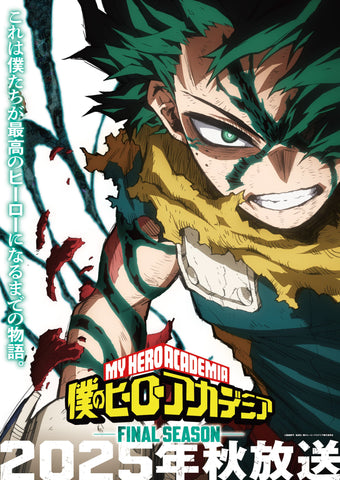
热血动漫 protagonists often start as "ordinary people," such as Naruto from "Naruto" who was initially a dead-last ninja, or Izuku Midoriya from "My Hero Academia" who was born without a "Quirk." This setup allows viewers to easily relate, as if seeing a reflection of themselves. The protagonist's growth through effort, support from companions, and an unwavering spirit, eventually overcoming powerful enemies, satisfies the audience's longing for a "comeback story."
Psychology's "self-efficacy theory" points out that when people witness others overcoming difficulties, it sparks their own confidence of "I can do it too." The奋斗史 of热血动漫 protagonists is like a tailor-made励志仪式 for the audience.
2. Pure Belief and Emotional Tension
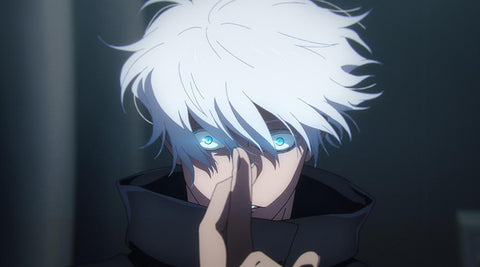
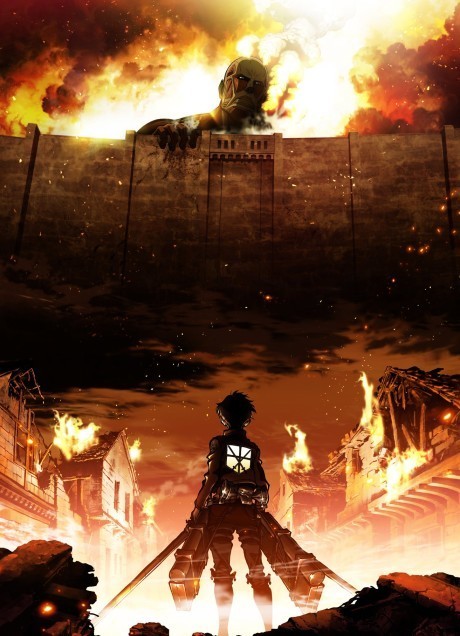
In the real world, we often compromise due to conflicting interests or social pressures, but热血动漫 characters always adhere to the purest beliefs. Whether it's Yuji Itadori's obsession with "a proper death" in "Jujutsu Kaisen," or the Survey Corps' cry of "Fight for freedom!" in "Attack on Titan," these pure goals触动 people's deep-seated yearning for "idealism."
Moreover,热血动漫 excels at using "contrasting conflicts" to create emotional climaxes: characters unleashing their potential in moments of despair (like Goku transforming into a Super Saiyan in "Dragon Ball"), or觉醒 triggered by the sacrifice of a close friend (like the death of Kyojuro Rengoku in "Demon Slayer"). These dramatic twists make the audience's emotions rise and fall, as if personally experiencing a灵魂洗礼.
3. Team Bonds and Social Microcosm
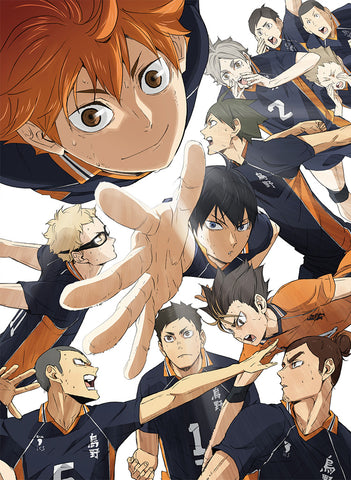
"Companions" are an indispensable element in热血动漫. The members of the Straw Hat Pirates in "One Piece" each have painful pasts, but they unite as a "family" through shared goals; the Karasuno High volleyball team in "Haikyuu!!" demonstrates the power of "1+1>2" through trust and磨合. This emphasis on "bonds" in the narrative resonates with humanity's innate need for belonging.
In contemporary society, where interpersonal relationships are increasingly distant, the teamwork and unconditional support in热血动漫恰恰 fill the emotional void for viewers. When the characters shout together, "Let's get stronger together!", we in front of the screen also feel as if we've found a spiritual归宿.
4. The Never-Give-Up "热血 Formula"
The narrative structure of热血动漫隐藏 a precise "victory formula":
-
Desperate Situation Setup: The protagonist falls into a seemingly unsolvable crisis (e.g., an overwhelmingly powerful enemy).
-
Flashback Power: Trigger emotional共鸣 through past pain or vows.
-
Belief Outburst: Shout a signature line and turn the tide of battle (e.g., "Because I am ○○!").
-
Aftermath of Victory: Leave hints of growth or new challenges.
This formula works because it combines the rhythm of "suspense" and "release," allowing the audience to cycle between tension and感动, ultimately achieving great satisfaction.
5. Universal Values Across Cultures
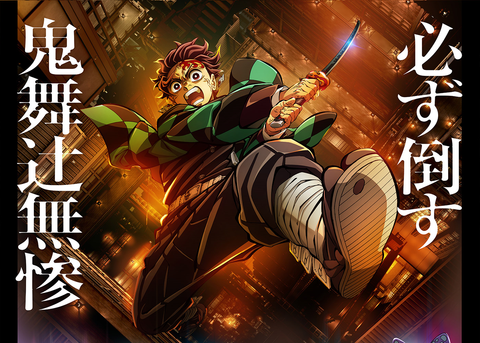
The core spirit of热血动漫—effort, friendship, victory—are actually universal values. The Japanese concept of "一生悬命" (giving one's all), the Western hero narrative of the "Underdog Story," and even the Chinese martial arts' "chivalrous spirit" can all find common ground in热血动漫.
For example, "Demon Slayer" explores family love and responsibility, while "Fullmetal Alchemist" reflects on war and humanity. These works包裹 profound themes within the热血 framework, allowing audiences from different cultural backgrounds to find共鸣.
热血 Is a Gentle Rebellion Against Reality
The reason热血动漫 is immortal is precisely because it responds to humanity's most primal needs: in a world full of helplessness, we need an outlet to believe that "struggle has meaning," "goodness can triumph over evil," and "companions are always behind us." When the protagonist throws a punch and shouts "I'll never give up!", we also clench our fists silently off-screen—this is perhaps the most precious gift热血动漫 gives its audience: unceasing hope.
Next time you shed tears or cheer for an anime character, remember that the thrill doesn't just belong to the fictional world; it's reminding you: there's also a flame that has never been extinguished burning within your heart. 🔥
留言 (0)