Decrypting the Mystery of "Gotō Hitori's Figure": Why Does the Guitar Hero's Contrasting Cuteness in "Bocchi the Rock!" Spark Online Buzz?
 ANIHK 編輯部
Everyday Disguise: The Eternal Tracksuit and Hunched Posture
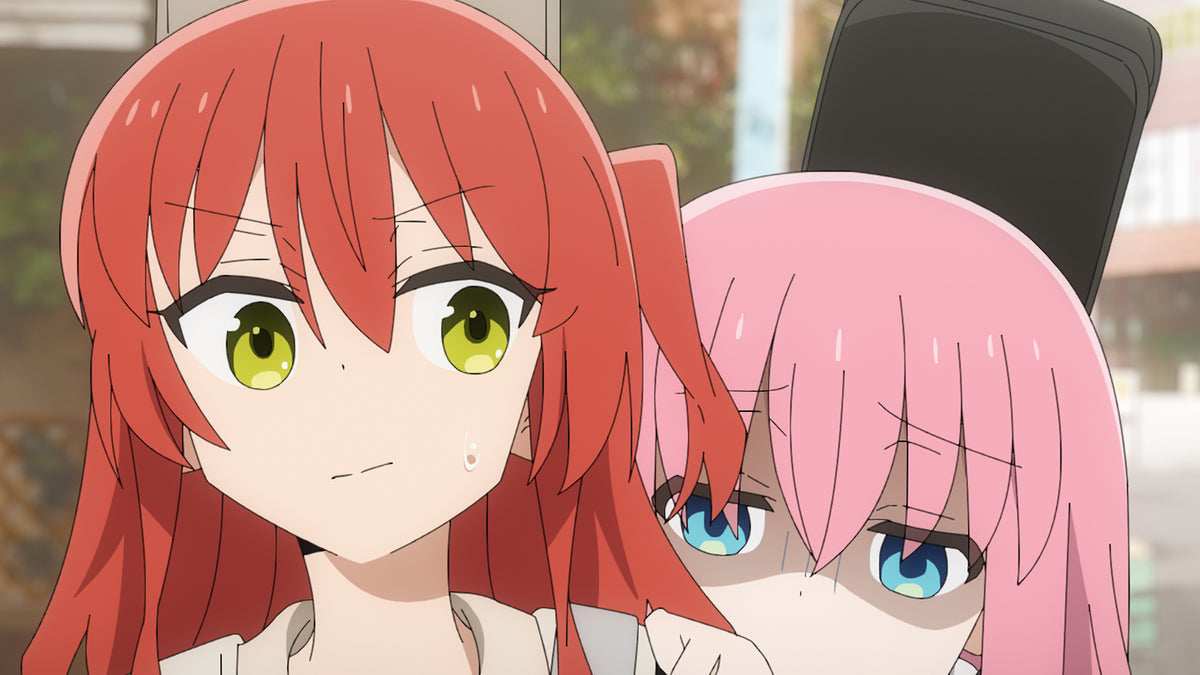
In the phenomenal work "Bocchi the Rock!", the protagonist "Bocchi" Hitori Gotō has captured the hearts of countless viewers with her extreme social anxiety, stunning guitar skills, and endless repertoire of facial expressions and internal monologues. However, amidst the numerous discussions, a seemingly unrelated keyword, "Hitori Gotō's figure", has quietly trended. The interesting aspect of this topic is that it perfectly embodies the "gap moe" in character design and has become a fascinating mystery running throughout the work.
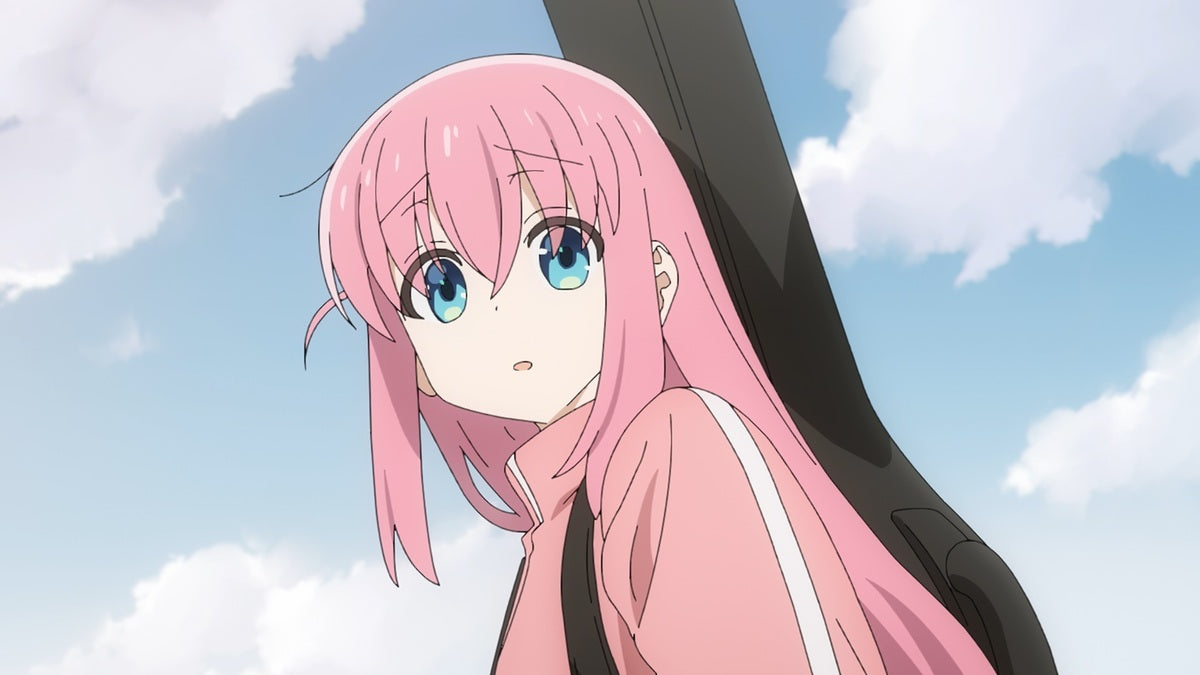
Everyday Disguise: The Eternal Tracksuit and Hunched Posture
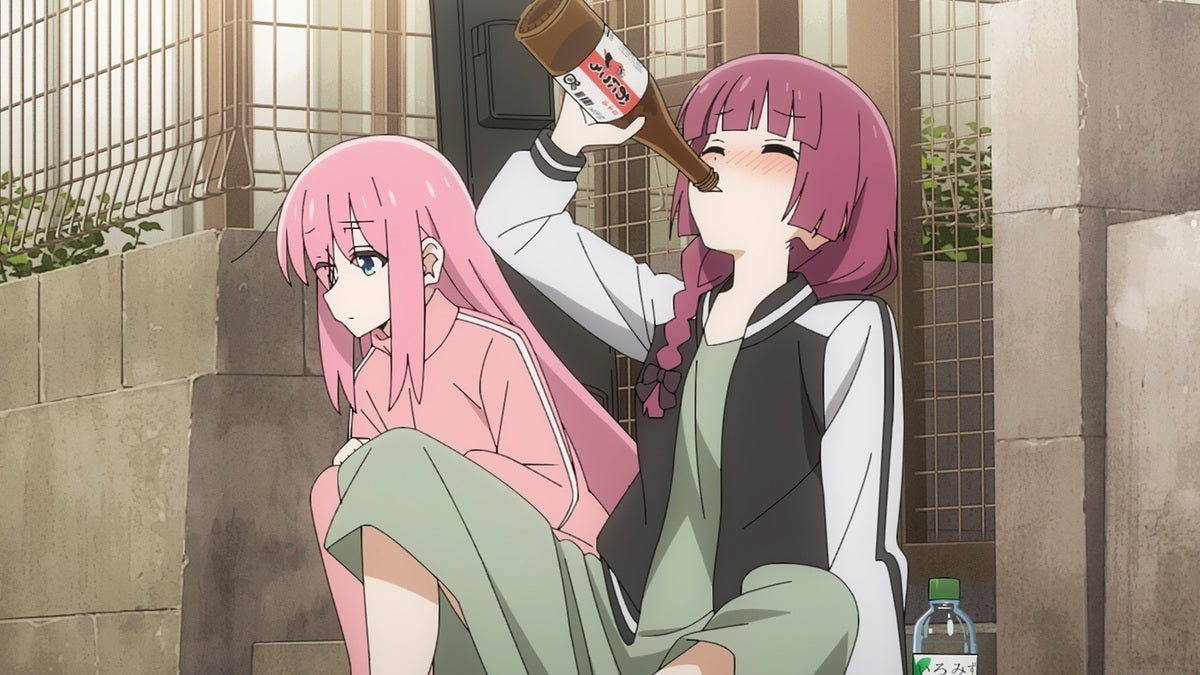
In daily life, Hitori Gotō always wears her signature pink tracksuit, which has almost become her second skin. Due to severe social anxiety and self-denial, she habitually hunches her back, avoids eye contact, and tries to minimize her presence. This posture, combined with her loose clothing, successfully conceals her actual figure, perfectly crafting the image of an isolated, inconspicuous "in-kyara" (gloomy, introverted character).
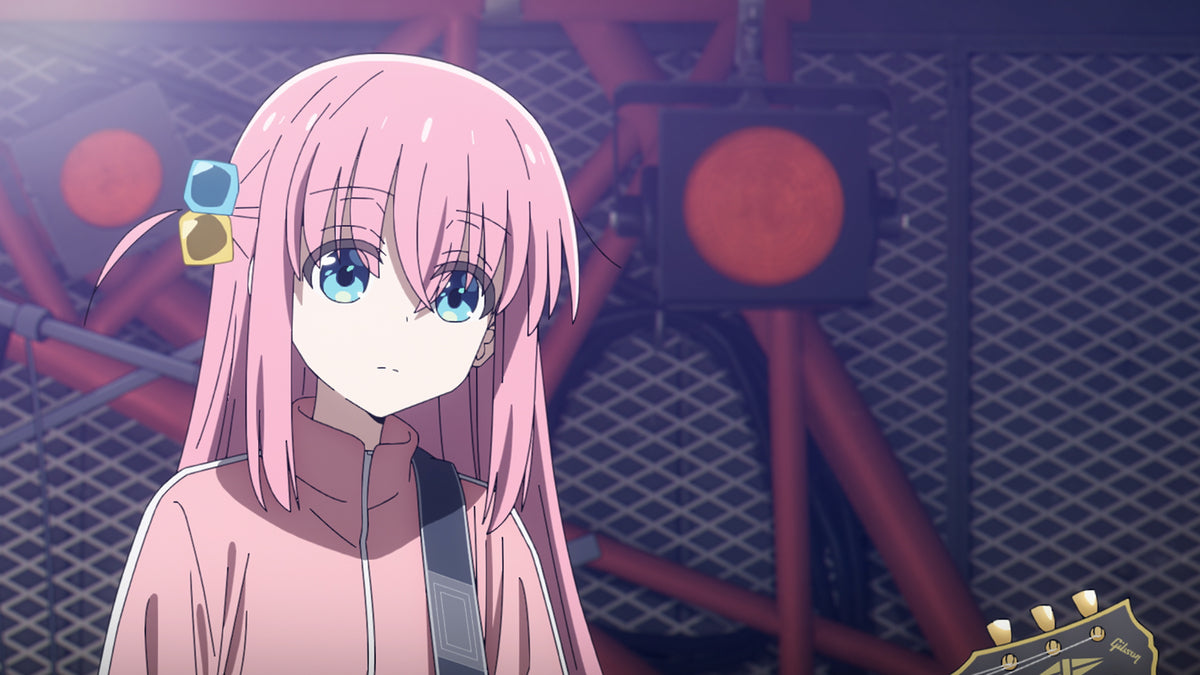
The "Hidden Setting" Officially Recognized: A Stroke of Contrast in the Plot
Although Bocchi herself has no confidence in her appearance, the work repeatedly hints, through indirect descriptions, at her excellent figure hidden beneath the tracksuit. One of the most frequently mentioned moe points of this "hidden setting" is the so-called "hidden large bust".
In the story, this setting is not without basis. For example, when the members of "Kessoku Band" go shopping together and try on different styles of clothing, or in certain official illustrations and merchandise where Bocchi changes out of her tracksuit, her appearance often surprises her companions and viewers. Although the depiction in the anime and manga is relatively subtle, this sense of contrast has become an unspoken consensus among fans and is explicitly mentioned in sources like character encyclopedias. This approach cleverly avoids clichéd fanservice, instead using it as a comedic element that adds to the character's charm.