Dominant Linguistic Art: Deep Analysis of Makima's Lines in "Chainsaw Man", Every Word Hides a Mystery
 ANIHK 編輯部
Preface: Language is Power
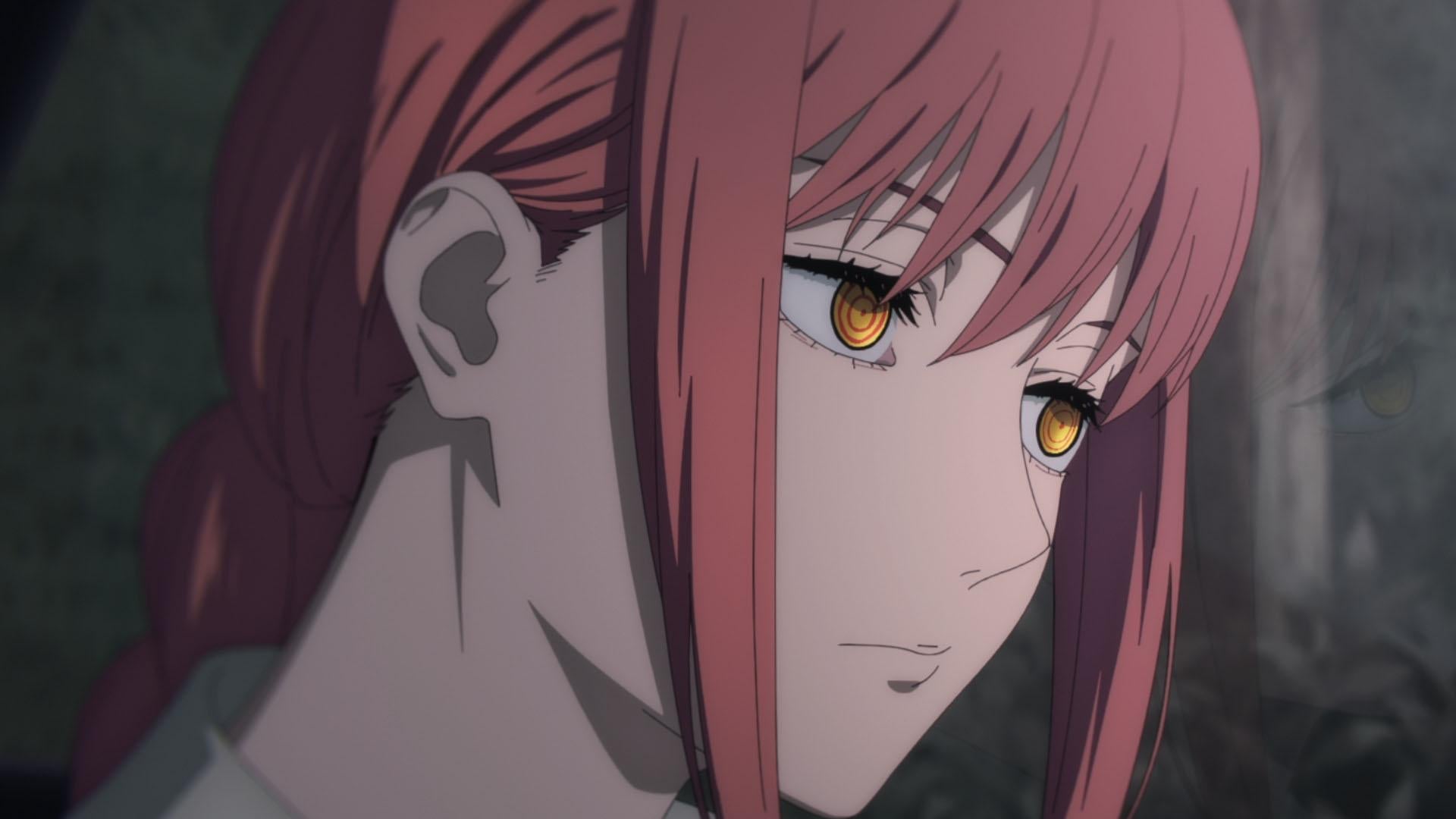
In the world of Chainsaw Man, the terror of Makima stems not only from her unfathomable abilities as the "Control Devil" but is also deeply rooted in every line she speaks. Her words are like a finely woven net—gentle, calm, yet capable of completely dominating a person's mind and dignity. These lines not only shape her unique charm and sense of horror but have also become classics that fans love to discuss. This article will delve into several of Makima's most representative lines, exploring how this dominator uses the art of language to elevate her character's appeal and the story's tension.
Unquestionable Absolute Control: "This is an order."
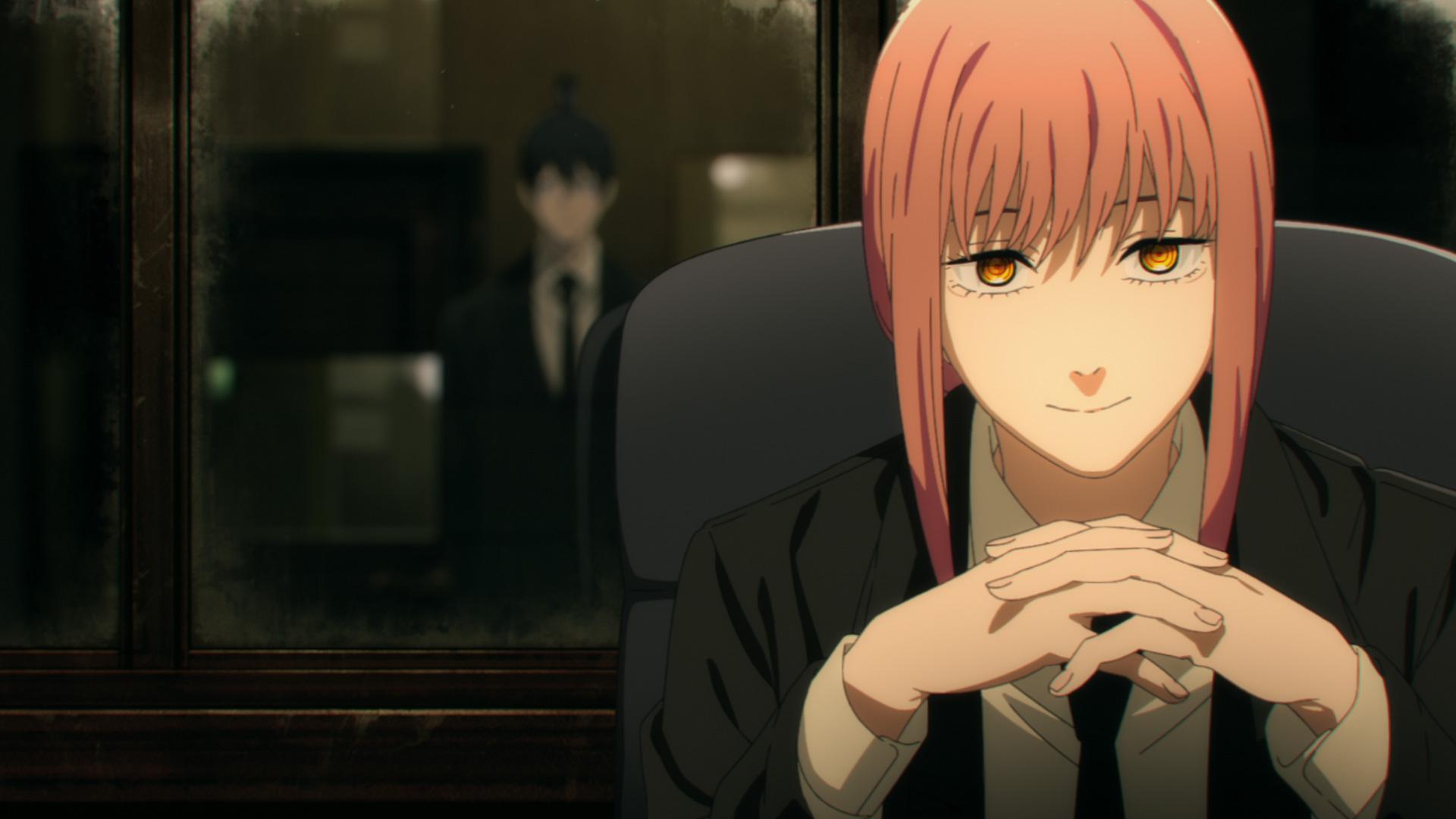
This line, "これは命令です," can be considered the most direct manifestation of Makima's control authority. When she says this, there is not a trace of emotional fluctuation, no threatening tone, yet it carries an unquestionable, absolute weight. The horror of this line lies in the fact that it is not a request or a suggestion, but a unilateral, unrefusable declaration. When she gives Aki the order to form a contract with the Future Devil, this line, paired with her icy expression, instantly makes the reader feel the冷酷 nature beneath her gentle mask, revealing that in her eyes, everyone is merely a pawn to achieve her goals.
A Sweet Trap and the Illusion of Choice: "You have two choices: be killed by me as a devil, or be kept by me as a human."
This is a classic line from Makima's first meeting with Denji. On the surface, she gives Denji a choice, but the essence of both options is "to be controlled by her." This line is cleverly wrapped in intimate-sounding words like "adopt" and "keep," making the then-destitute Denji feel a glimmer of warmth. However, the word "keep" also cruelly reveals the unequal status between them. From the very beginning, she did not see Denji as an equal "person," but as a "pet" to be disposed of at will.
The subsequent line, "返事は『はい』か『ワン』だけ。いいえなんて言う犬はいらない" ("Your only responses are 'Yes' or 'Woof.' I don't need a dog that says 'No'"), pushes this dominant relationship to its extreme, completely stripping the other party of their will to resist.

Manipulating Hearts with a Fable: "I like the country mouse too."
After the battle with Reze ends, Makima has a crucial conversation with the physically and mentally exhausted Denji by the sea. She tells Denji the Aesop's fable of "The Town Mouse and the Country Mouse." The country mouse envies the town mouse's luxurious life but cannot bear the constant fear of death in the town, ultimately choosing to return to the countryside for a peaceful life.
When Denji expresses that he too would like to be a carefree "country mouse," Makima casually says, "私も田舎のネズミが好き" ("I like the country mouse too"). This line is filled with malicious irony; she uses it to暗示 Denji: You have no right to choose. Your "ignorance" and "happiness" can only exist with my permission. This line also completely shatters Denji's desire to escape, pulling him back into the cage of her control.
Twisted Philosophy and Ultimate Goal: "Necessary evils should be controlled by the state with a collar."
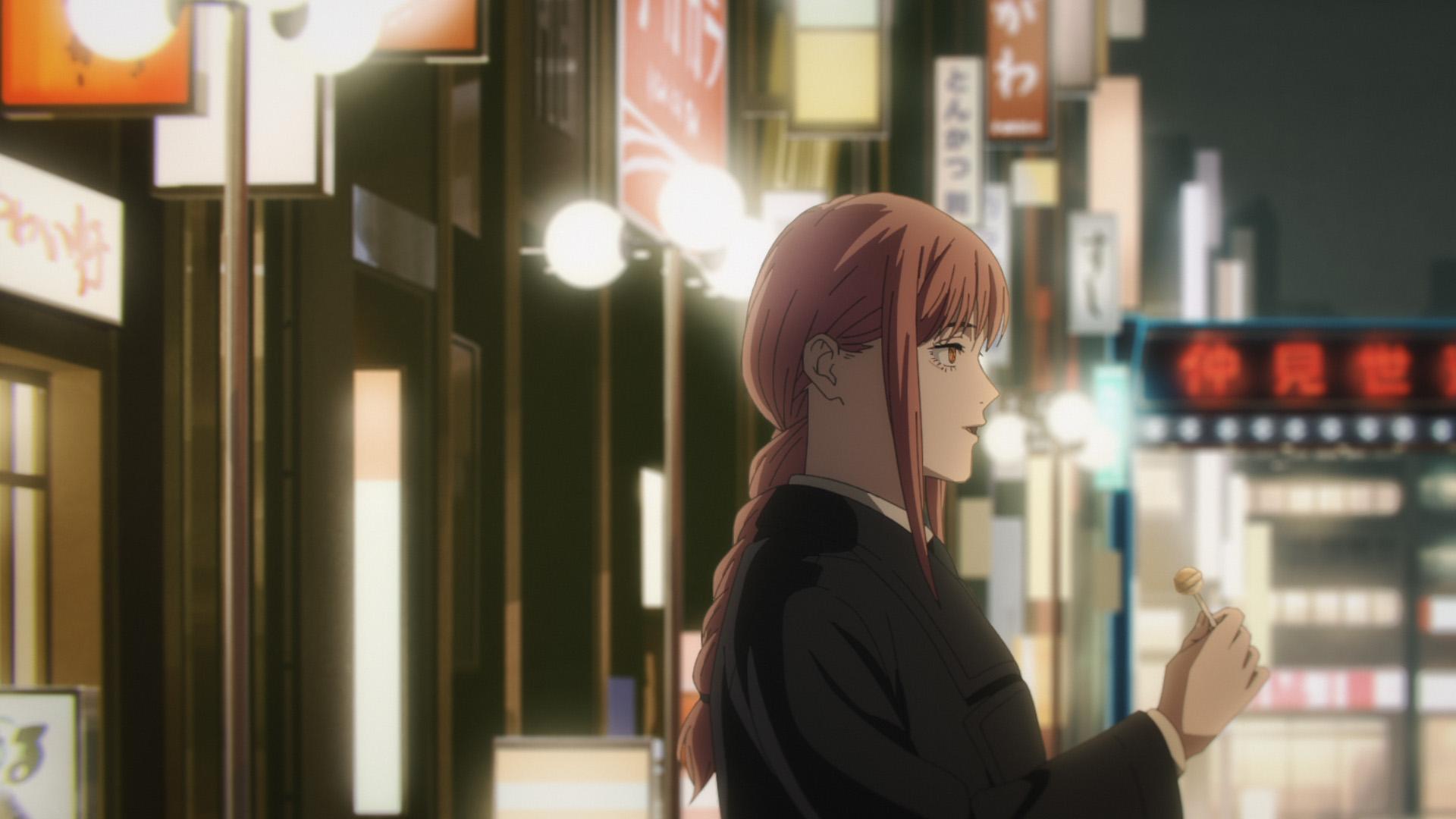
In the later stages of the story, Makima reveals her grand and twisted ideal. She believes that so-called "necessary evils" are merely excuses for doing evil. What she truly wants is to use the power of the Chainsaw Man to devour all concepts that make the world unhappy (such as death, war, famine), thereby creating a truly equal "better world."
This monologue reveals the ultimate motivation behind her actions. She is not simply evil for the sake of power but holds an extreme, twisted sense of justice. It is this ideology that makes her character more complex—not just a villain, but a martyr with a lofty (yet terrifying) ideal, imbuing her final confrontation with Denji with philosophical depth.
Browse Chainsaw Man merchandise now
留言 (0)