Decrypting "Girl Band, Shout Out" Inuzuka Nino's "Brazen" Haori: A Fashion Manifesto of a Rebellious Soul
 ANIHK 編輯部
Preface: Shout Out! Our Rock Fashion
Preface: Shout Out! Our Rock Fashion
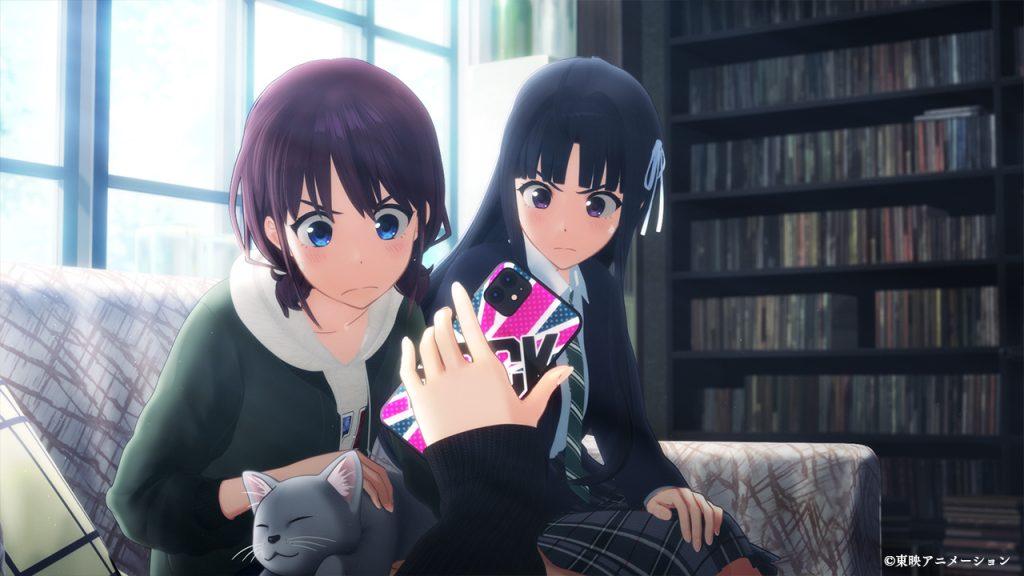
In the spring of 2024, the original anime "Girls Band Cry" quickly captured the audience's attention with its impactful 3D visuals and heart-pounding rock music. The story revolves around five girls, each carrying their own worries and pains, who form the band "TOGENASHI TOGEARI" and transform their anger, joy, and sorrow into the most primal shouts. Among them, the central vocalist character—Iseri Nina—has become a hot topic among fans due to her unique personal charm and highly recognizable fashion style. In particular, the haori (more accurately, the "happi") she wears on stage has become the perfect symbol of her rebellious and unrestrained image.
More Than Just a Haori: Deconstructing the Design Details of the "Bōjakunin" Happi
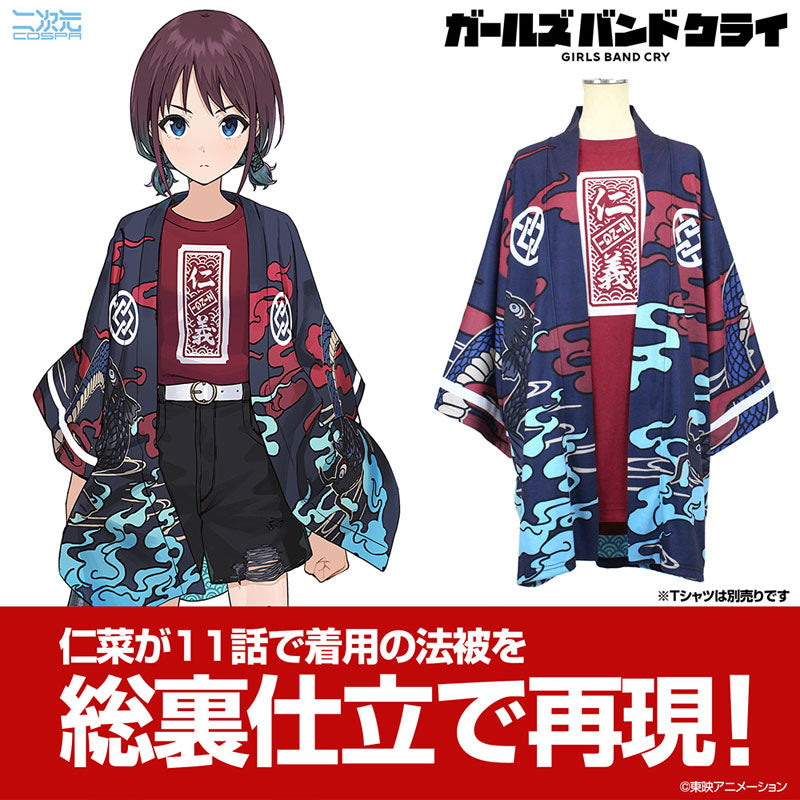
This iconic outfit made its first appearance in episode 11 of the anime during the band's performance of the insert song "Blank and Catharsis," instantly imprinting itself on the audience's minds. Rather than a traditional haori, this garment is closer in form to the "happi" commonly seen at Japanese festivals or events. Its design is filled with strong visual language:
-
The Shout on the Back: "Bōjakunin" The most eye-catching feature is undoubtedly the four large characters on the back—"傍若無人" (Bōjakunin). This idiom means behaving arrogantly and wildly, ignoring the presence of others. It not only perfectly interprets Nina's fearless, proud, and confident performance style on stage but also echoes her inner awakening to no longer suppress herself and to live for herself.
-
Unrestrained Patterns Above the four characters "傍若無人," there is also a flamboyantly styled oni (demon) head pattern. At the same time, on details such as the sleeves, collar, and lining, unique snake and floral patterns can be seen. The chest is printed with a crest-like emblem, and there is a fish pattern at the waist. These elements together create a wild yet traditionally Japanese visual impact, making this happi a work of art in itself.
Clothing as Attitude: How a Happi Defines a Character's Soul
Iseri Nina's "Bōjakunin" happi is far more than just a stage costume. It is an extension of the character's personality and the band's spirit. For Nina, who dropped out of high school and came to Tokyo alone to strive, this happi is her battle attire for releasing everything on stage. When she wears it, she transforms from a girl lost about her future into a rock vocalist who uses her voice to confront the world.
The design of this happi perfectly embodies the core theme of "Girls Band Cry"—pouring out inner emotions without reservation. The "Bōjakunin" attitude is precisely the band "TOGENASHI TOGEARI"'s declaration to the world: We may not be understood, we may not fit in, but we will find our own place in music with the most genuine and unrestrained posture.
From Anime to Reality: Fans Can Also Possess the Rock Spirit
This highly representative happi has successfully moved from the anime world into reality. The well-known anime merchandise brand COSPA has released an officially licensed product of this "Bōjakunin" happi, meticulously reproducing all the design details from the anime, allowing fans to personally don this garment symbolizing rebellion and confidence. In addition to the happi, other clothing items that Nina often wears, such as the "Jingi" T-shirt, have also been commercialized, demonstrating the immense popularity of her character style.
Browse now Girls Band Cry merchandise
留言 (0)