
More Than Just a Japanese Name: The Hidden Meaning Behind "Hibino Kafka" and the Interpretation of the Protagonist's Transformative Destiny in "Kaiju No. 8"
 ANIHK 編輯部
The Japanese Notation and Peculiarities of "日比野カフカ"
The popular anime "Kaiju No. 8" has captivated the world with its unique "middle-aged uncle hero" setting, and the characterization of its protagonist Kafka Hibino is key to the story's success. However, have you ever thought that his name "日比野カフカ" itself contains the core theme of the entire story? This article will deeply analyze this Japanese name full of literary color, explore how it connects with world-famous literary works, and foreshadows the protagonist's fate and struggles.
The Japanese Notation and Peculiarities of "日比野カフカ"
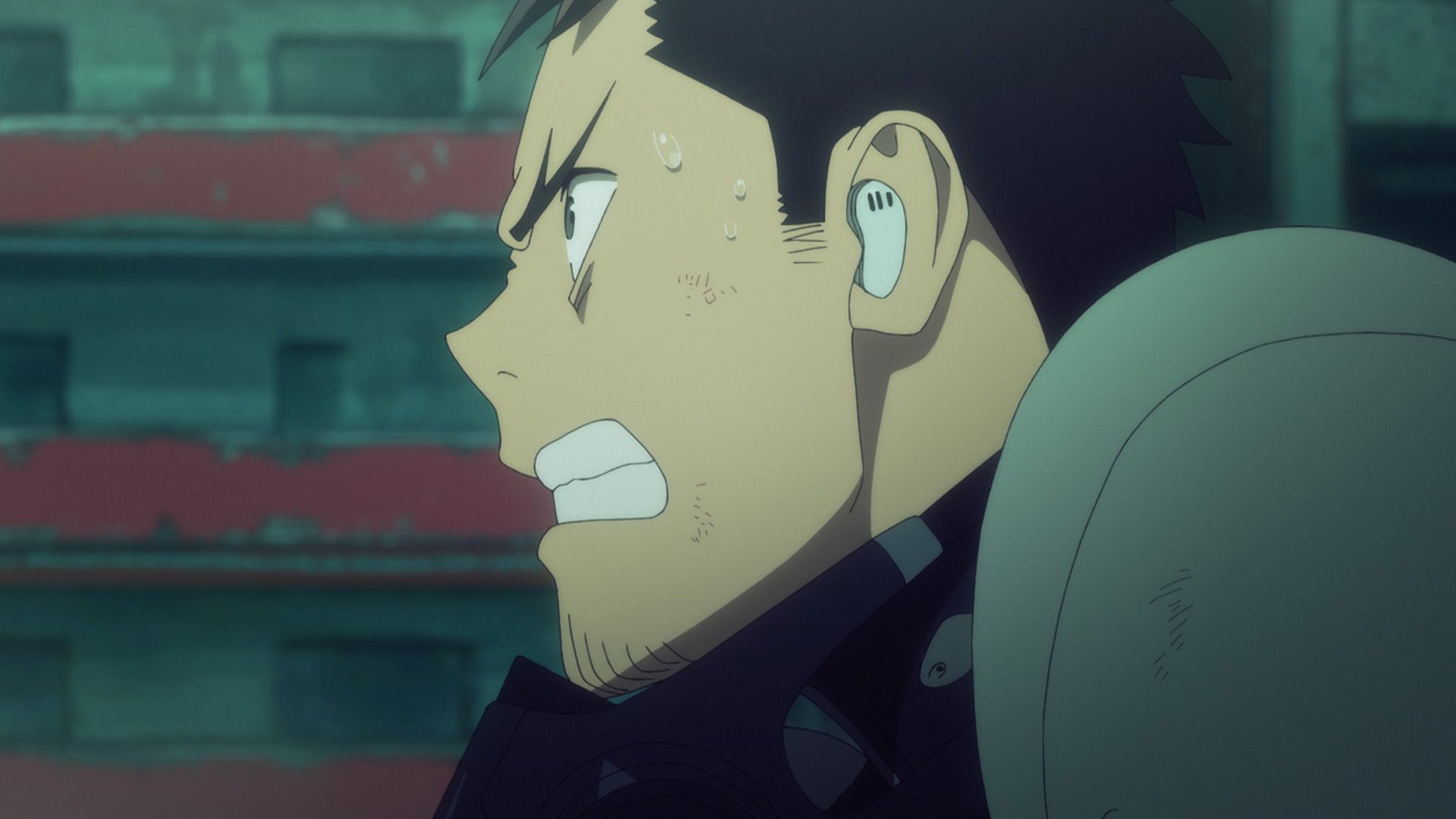
First, let's look at the protagonist's full Japanese name: 日比野 (ひびの) カフカ (かふか).
- 日比野 (Hibino): This is a real existing Japanese surname, although uncommon, it is completely within reasonable range.
- カフカ (Kafka): What truly draws attention is his given name "カフカ". In Japan, names typically use kanji, hiragana, or katakana. Here, "katakana" is used, which is typically for representing loanwords, foreign personal names, or for special emphasis. This suggests that "Kafka" is not a traditional Japanese name, but rather a symbol with a special origin.
This unusual naming method is precisely the first important foreshadowing planted by the author, Naoya Matsumoto.

The Core Mystery of the Name: A Tribute to Literary Giant Franz Kafka
The name "Kafka" almost certainly pays homage to the early 20th-century German-language writer Franz Kafka . This literary giant is world-renowned for his works filled with absurdity, alienation, and anxiety, and one of his most famous representative works is the short story "The Metamorphosis" (Die Verwandlung).
The plot of "The Metamorphosis" tells the story of a traveling salesman named Gregor Samsa who wakes up one morning to find himself transformed into a giant insect. This story deeply explores the alienation of the individual in society, the absurdity of existence, and the breakdown of relationships with family and society.
This plot bears a striking resemblance to the beginning of "Kaiju No. 8". The protagonist Kafka Hibino, an ordinary 32-year-old monster corpse cleaner, one day in the hospital, has a small mysterious monster enter his mouth, suddenly granting him the ability to transform into a terrifying monster. Both characters involuntarily and suddenly "transform" into non-human existences.
The Fate of "Metamorphosis": How the Name Embodies the Character's Struggle
The author skillfully uses the name "Kafka" to incorporate the core themes of the literary work into the character's development:
-
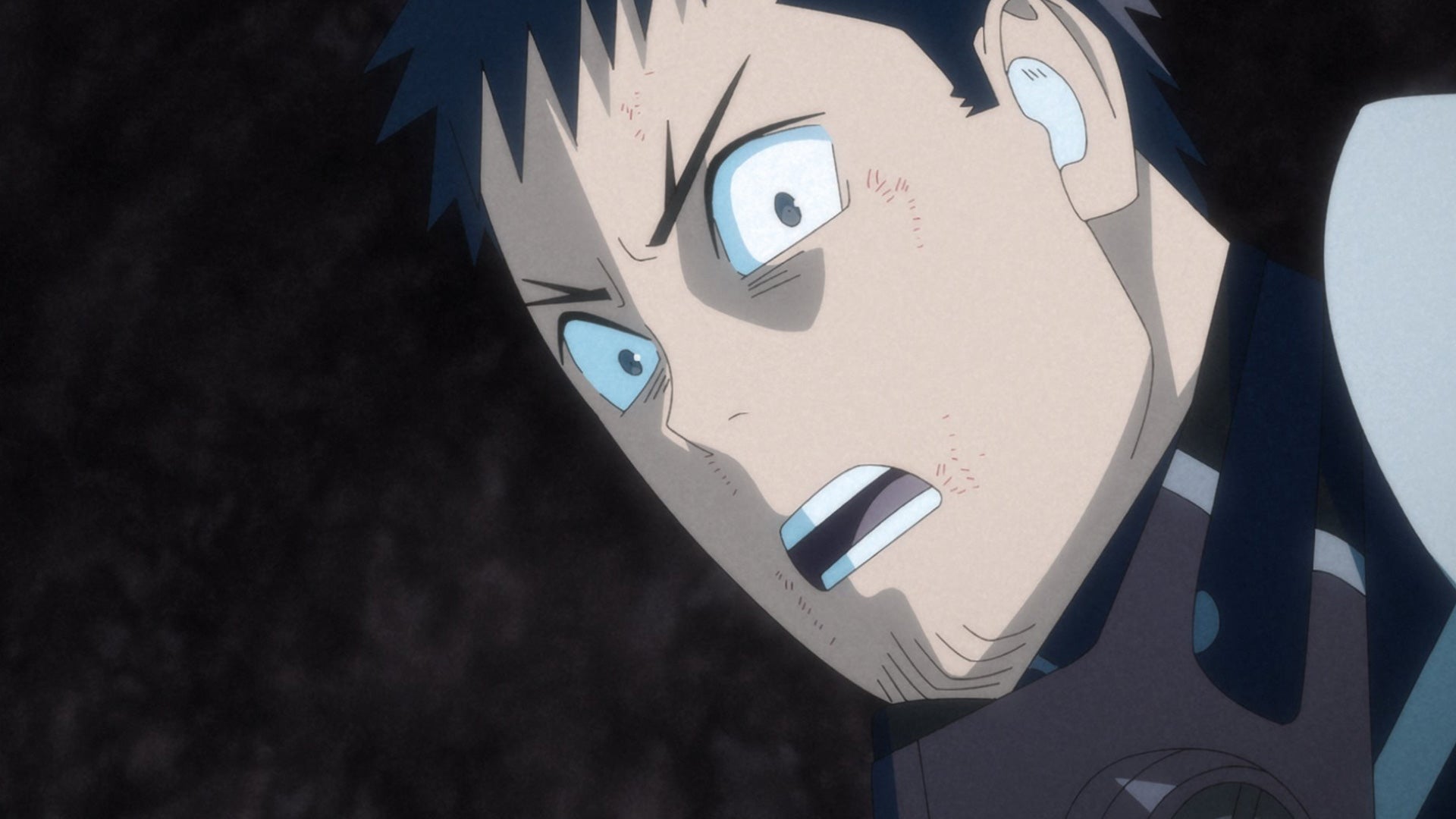
Alienation and Isolation of Identity: Just as the protagonist of "The Metamorphosis" is rejected by his family, Kafka, who transforms into "Kaiju No. 8", must also hide his true identity from the Defense Force he admires. He is both a Defense Force member who desires to protect humanity and the monster that the Defense Force sees as its primary target for elimination. This extreme identity conflict plunges him into deep loneliness and struggle.
-
Preservation of Humanity: Despite his exterior transforming into a fearsome monster, Kafka Hibino's heart remains that of a sense-of-justice-filled, even overly kind person. He repeatedly risks exposure by transforming to save his comrades and citizens, demonstrating a strong will to "uphold the path of being human, even as a monster." This struggle is the core of the character's appeal.
-
The Absurdity of Existence: A person determined to eliminate all monsters has himself become one of the strongest monsters in history (with a liberation combat power of 9.8). This in itself is the ultimate irony and absurdity. Kafka's life is pushed in a completely unpredictable direction by this absurd fate.
In summary, the name "日比野カフカ" is not just a label; it is a powerful literary symbol. It tells the reader that this is not just a simple热血 (hot-blooded) battle story, but a profound tale about how a "person" searches for self-identity, fights against alienation, and holds onto their beliefs when facing a great "metamorphosis."
Browse now Kaiju No. 8 merchandise
留言 (0)