《The Dangers in My Heart》Anime and Manga Comparison: A Successful Adaptation Journey
 ANIHK 編輯部
Introduction: The Charm Showdown of Two Media in "The Dangers in My Heart"
Introduction: The Charm Showdown of Two Media in "The Dangers in My Heart"
Since its debut as a manga, "The Dangers in My Heart" (僕の心のヤバイやつ) has captured the hearts of many readers with its unique portrayal of adolescent psychology and delicate progression of romance. When this work was adapted into an anime, it elevated the charm of the manga to new heights. For fans, comparing the similarities and differences between the anime and manga not only allows for a deeper understanding of the work but also provides a unique viewing experience brought by different media. So, how did the anime successfully reproduce the essence of the manga, and what are its unique features?
Faithful Adaptation: Perfect Animation of the Manga Narrative
Overall, the anime version of "The Dangers in My Heart" is praised as a highly faithful adaptation of the original work. The production team made great efforts to restore the details and atmosphere of the manga in terms of plot, character personalities, and even the presentation of many famous scenes and dialogues.
- Plot Progression and Pacing: The anime's plot progression is highly consistent with the original manga, without significant cuts to rush the story or excessive original content. This allows manga readers to feel a sense of familiarity similar to reading the manga when watching the anime, while first-time viewers can fully experience the story. The anime also handles emotional buildup appropriately, neither too drawn-out nor making important scenes feel rushed.
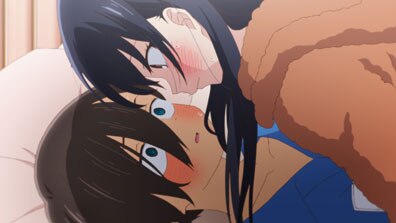
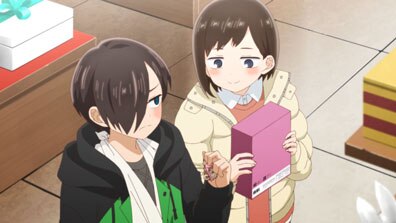
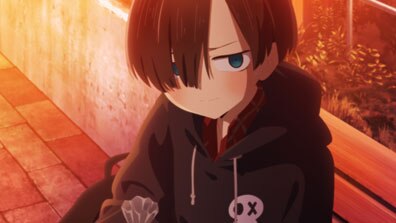
- Character Portrayal: The contrast between Kyotaro Ichikawa's inner "dangers" and his outward actions, as well as Anna Yamada's naturally airheaded yet delicately considerate personality, are excellently preserved and presented in the anime. The voice actors' performances further breathe life into the characters, making them more three-dimensional and vivid.
Visual Presentation: Transformation from Unique Art Style to Smooth Animation
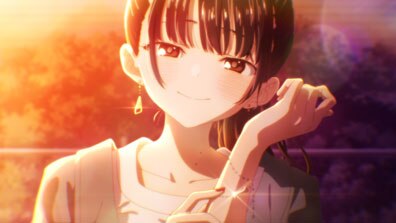
Manga and anime each have their own strengths in visual art:
- Original Art Style of the Manga: Norio Sakurai's art style is distinctive, especially skilled at capturing characters' rich "face acting" (exaggerated expressions) and subtle changes in eye expressions. Kyotaro Ichikawa's initially gloomy, hollow-eyed appearance and Anna Yamada's various lively expressions are powerfully conveyed in the manga panels through the use of lines and screentones. Additionally, the manga's use of blank space and panel pacing leaves readers with ample room for imagination.
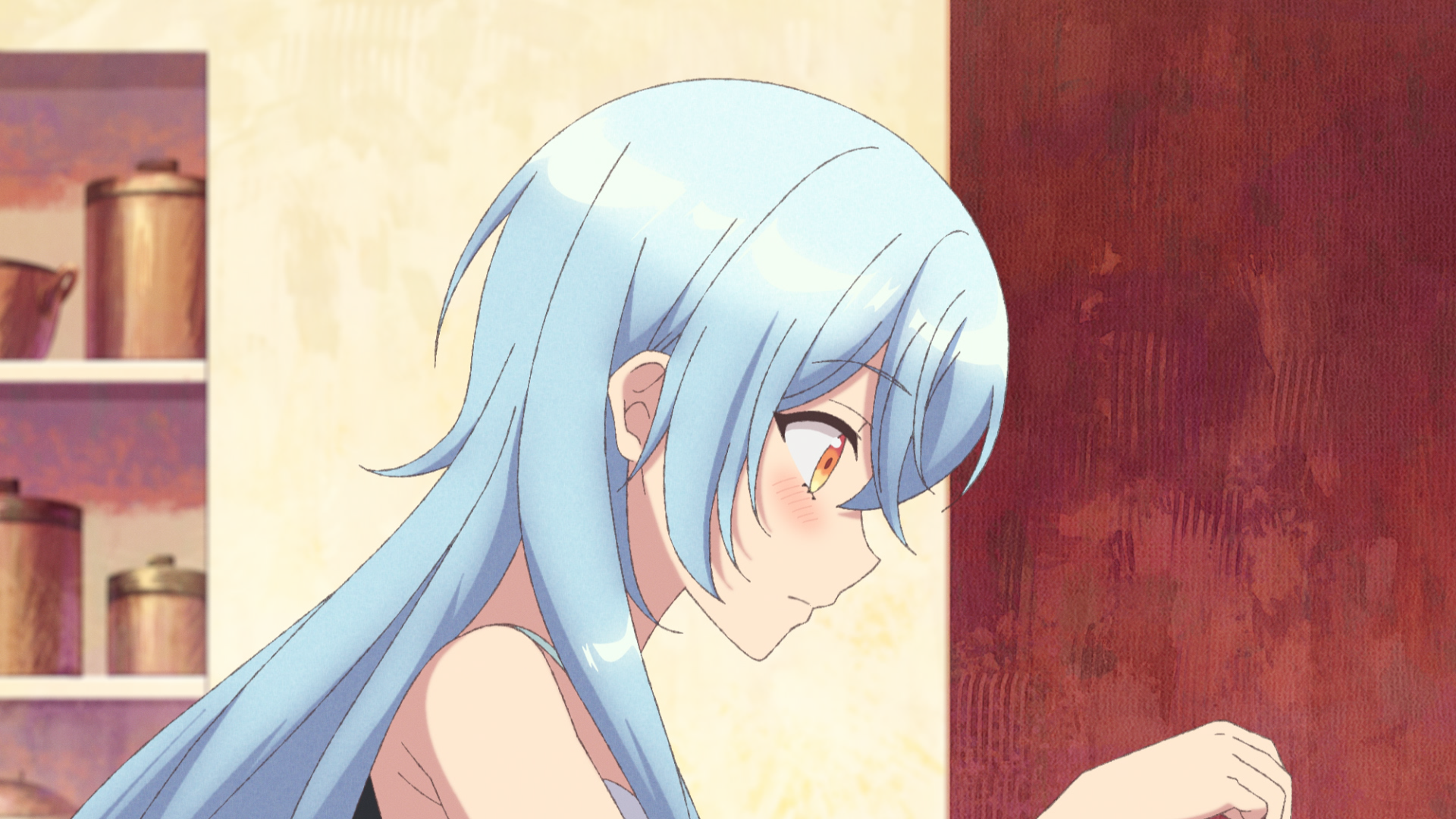
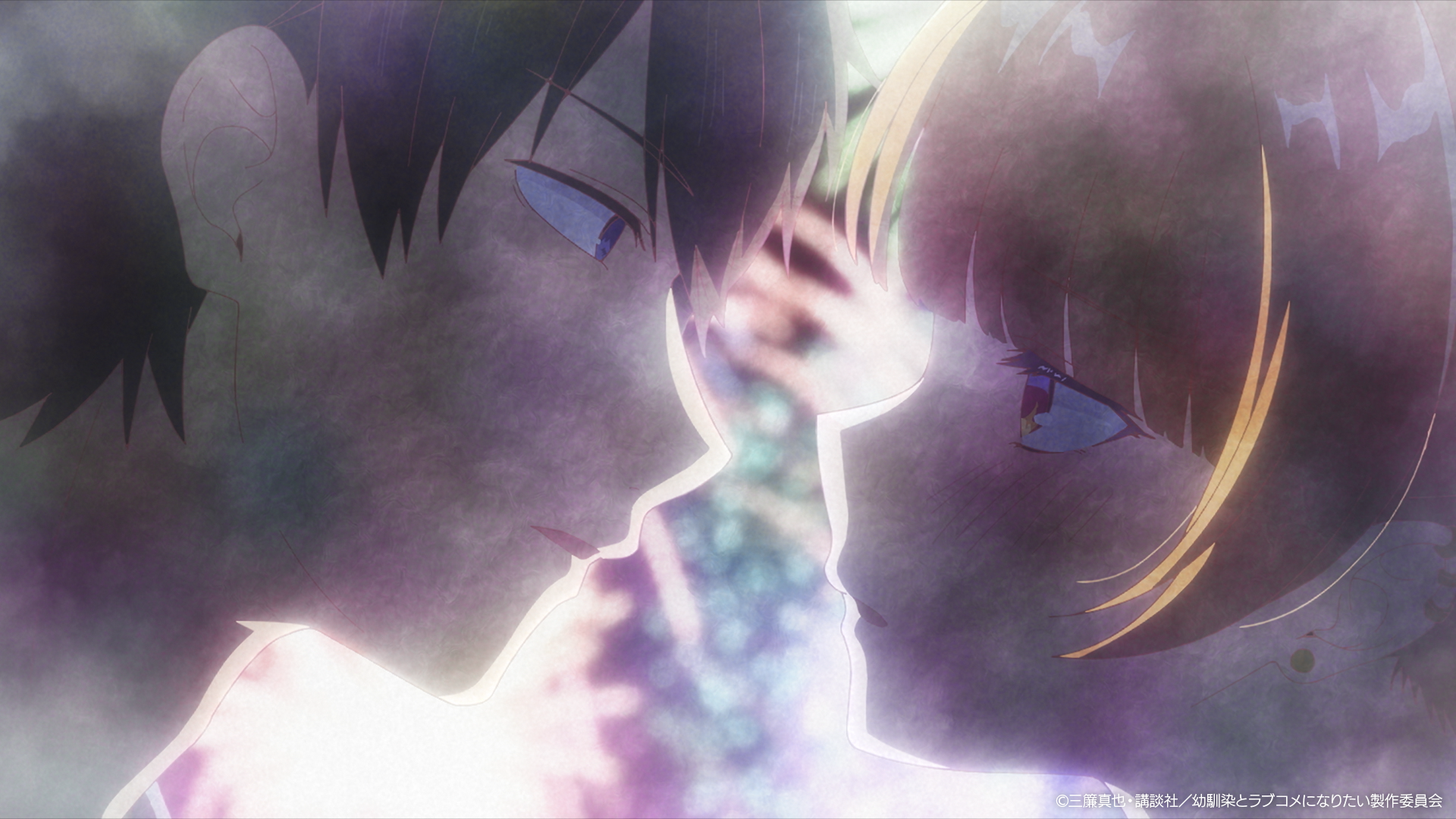
- Color and Dynamism in the Anime: The anime transforms the manga's black-and-white world into a rich palette of colors, adding visual warmth and vitality to the work. While retaining the original features, the character designs, through the animators' touch, make the characters' movements more fluid and natural. For example, Anna Yamada's various "foodie" actions and Kyotaro Ichikawa's subtle facial changes during inner struggles are vividly presented in the anime through motion, greatly enhancing expressiveness. Particularly in moments of emotional climax, the anime elevates the manga's tension to new levels through camera work, lighting, and special effects.