From The Tale of the Bamboo Cutter to Super Dimension Kaguya: How Classical Literature is Reborn? A Comparison of 3 Versions
 ANIHK 編輯部
The Japanese classical literature "The Tale of the Bamboo Cutter" has a history of over a thousand years. Throughout this long span of time, it has been reinterpreted, adapted, and recreated countless times. The reason this classical work has continued to be adapted is not because its story itself is particularly bizarre—although a baby girl being born from a bamboo stalk is indeed unusual—but because the profound human themes it carries possess a timeless quality that transcends eras. From Isao Takahata's Studio Ghibli version to Netflix's sci-fi adaptation, "The Tale of the Bamboo Cutter" has been imbued with new meaning in every age. And the latest adaptation, "Cosmic Princess Kaguya!", brings this classical tale into the virtual age, opening up entirely new possibilities for creative adaptation.
Original "The Tale of the Bamboo Cutter": The Eternal Writing of Fate and Tragedy
"The Tale of the Bamboo Cutter" was written in the 10th century during Japan's Heian period and is the oldest surviving long-form narrative literary work in Japan. This work tells the story of a woman named Princess Kaguya (Kaguya). She is actually a moon palace celestial being who was banished to Earth as punishment, discovered as an infant, and raised by a bamboo cutter.
After growing up, Princess Kaguya becomes famous for her peerless beauty, and many princes and nobles compete for her hand. However, Princess Kaguya sets impossible tasks for all her suitors, ultimately leading to all proposals failing. The original narrative at this point showcases the uniquely Japanese literary aesthetic of "mono no aware"—a profound sentiment about the impermanence of life and the sorrows and joys of parting. When the celestial beings sent from the Moon Palace descend to Earth to take Princess Kaguya back, Princess Kaguya and all who love her on Earth inevitably face permanent separation. The sadness and helplessness of this separation are precisely the emotional core of the original story.
The original "The Tale of the Bamboo Cutter" reflects an innate tragic fate—no matter how hard an individual tries, they cannot escape the constraints of the grand cosmic arrangement. Princess Kaguya cannot stay on Earth, the bamboo cutter cannot keep the miraculous baby girl he found, and those who fall in love with Princess Kaguya cannot spend their lives with her. This fatalistic perspective profoundly influenced Japanese culture and became part of Japanese aesthetics. Fate is merciless, but precisely because it is merciless, every moment of togetherness in life becomes precious.

Isao Takahata's "The Tale of the Princess Kaguya" (2013): A Poetic Ode to Earthly Life
In 2013, Studio Ghibli, recommended by master Hayao Miyazaki, released "The Tale of the Princess Kaguya," directed by Isao Takahata. This animated film won the Japan Academy Film Prize for Best Animation upon release, becoming a model work of contemporary animation art.
While preserving the core tragedy of the original, Isao Takahata's version particularly emphasizes the value of Princess Kaguya's experiences on Earth. The film spends considerable time showing how Princess Kaguya, as a young girl, enjoys the joys of earthly life. She runs through fields, plays with villagers, and experiences the changing seasons. These seemingly small moments of life are presented by Isao Takahata in a poetic manner. Through these scenes, Isao Takahata reinterprets the original story—Princess Kaguya's earthly experiences are not merely a prelude to tragedy but the very meaning of life itself.
In terms of visual style, Isao Takahata adopted art design inspired by traditional Japanese painting, particularly influenced by classical paintings like "The Tale of Genji Picture Scroll." The work extensively uses blank space, simplicity of lines, and restraint in color, presenting a classical and elegant visual language. This aesthetic choice allows the film to convey respect for classical literature while creating a unique artistic style visually.
The story structure of Isao Takahata's version remains relatively faithful to the original but deepens the emotional layer. When Princess Kaguya is finally taken away by the celestial beings from the Moon Palace, it is no longer just a cold twist of fate but a moment filled with regret and longing. Princess Kaguya looks back at Earth, at the crying bamboo cutter, her heart filled with both the helpless acceptance of her duty to the Moon Palace and a profound attachment to life on Earth. At this moment, the original story's cold fatalism is transformed into a humanistic lament—fate truly cannot be changed, but precisely because of this, every moment of life is worth deeply remembering.
Netflix's "Cosmic Princess Kaguya" (2026): Time Loop Breaks Destiny
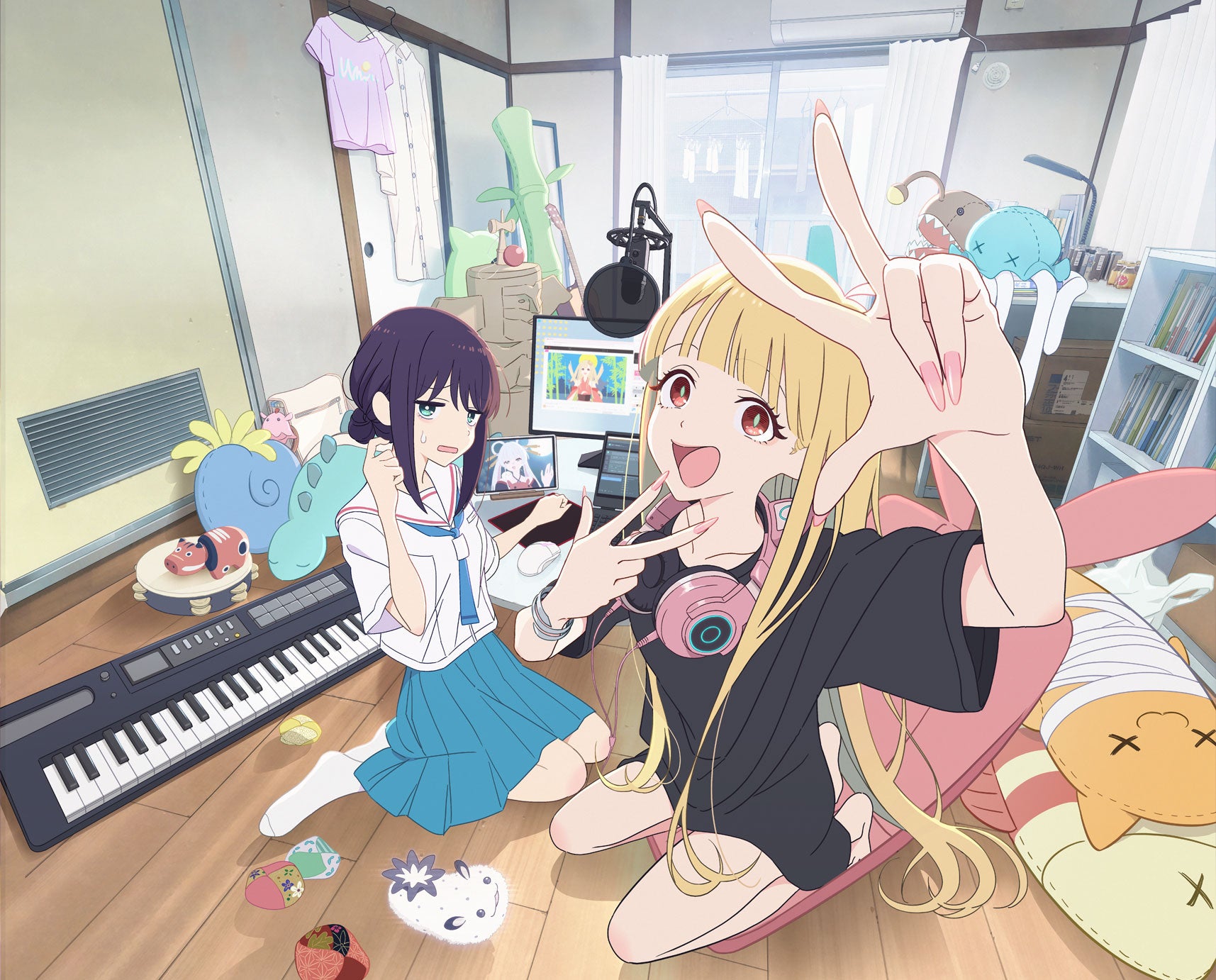
In 2026, Netflix's "Cosmic Princess Kaguya!" represents the most radical adaptation of the classical story. Unlike the previous two works, Netflix's version no longer takes accepting fate as the story's endpoint but makes breaking fate its core pursuit.
The most fundamental change lies in the narrative structure. The Netflix version abandons a linear timeline and adopts a complex time loop setting. Through the Möbius strip of time, Princess Kaguya exists simultaneously at three different points in time, ultimately achieving a reunion that transcends the limitations of traditional fate. This is not a simple story adaptation but a fundamental innovation in the form of the story itself.
From a cultural context perspective, this adaptation reflects the different humanistic spirits of the early 21st century. If Isao Takahata's version reflects Eastern philosophical contemplation on nature and the impermanence of life, then the Netflix version reflects modern people's desire to transcend limits and change fate. In contemporary society, technology is seen as a tool to surpass natural limitations, and the time loop setting precisely uses the language of science fiction to present this possibility of transcendence.
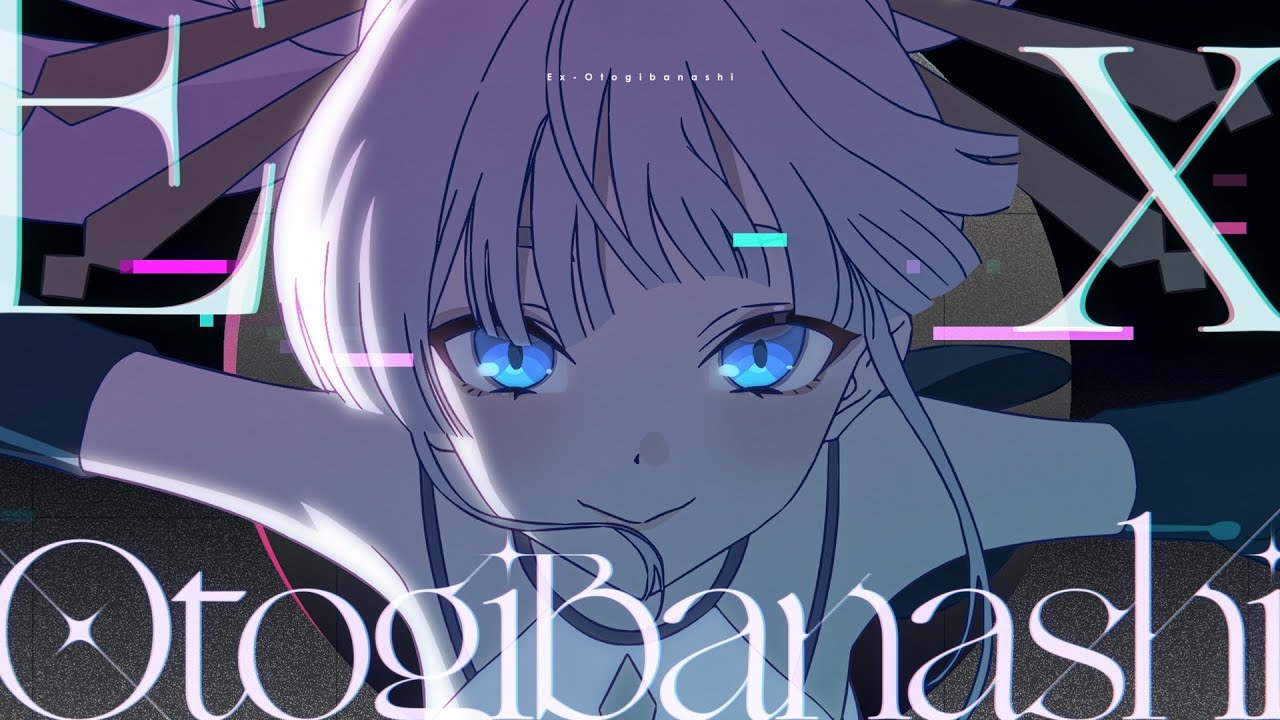
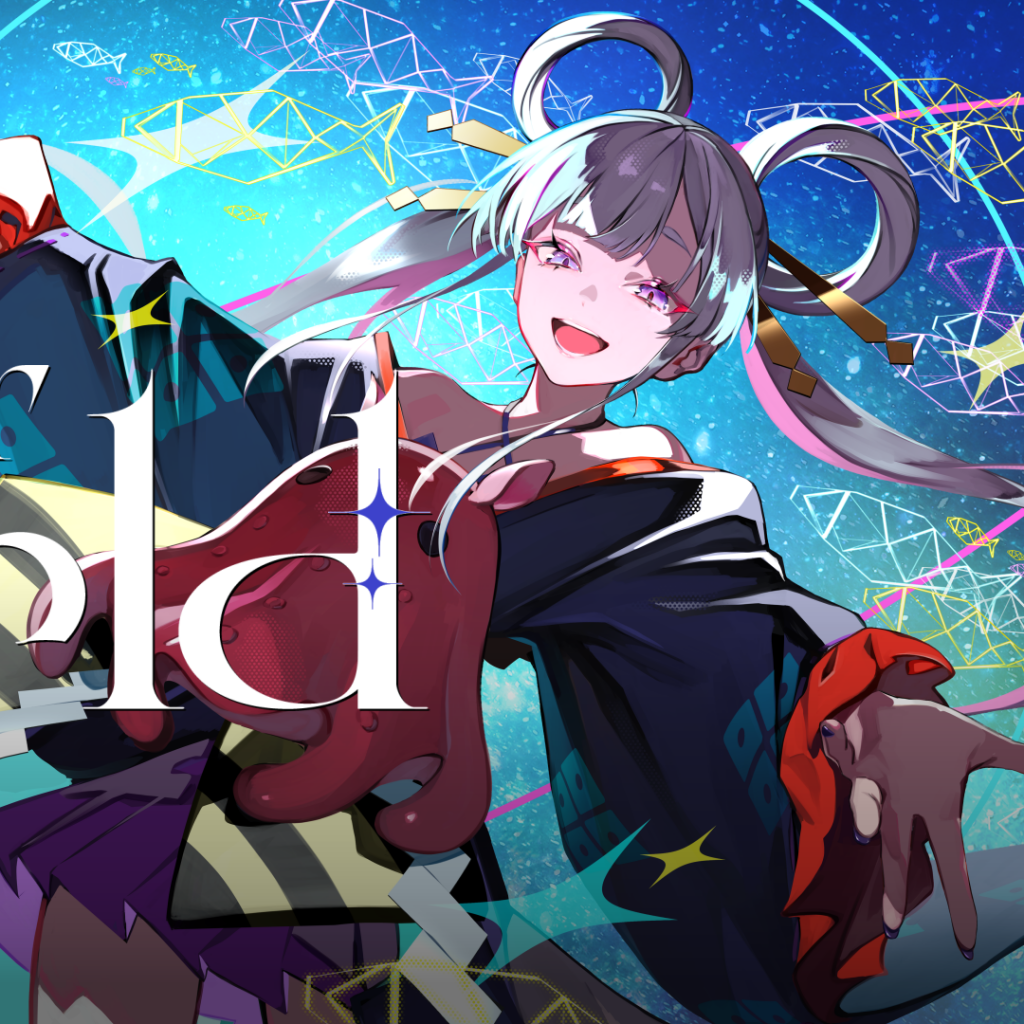
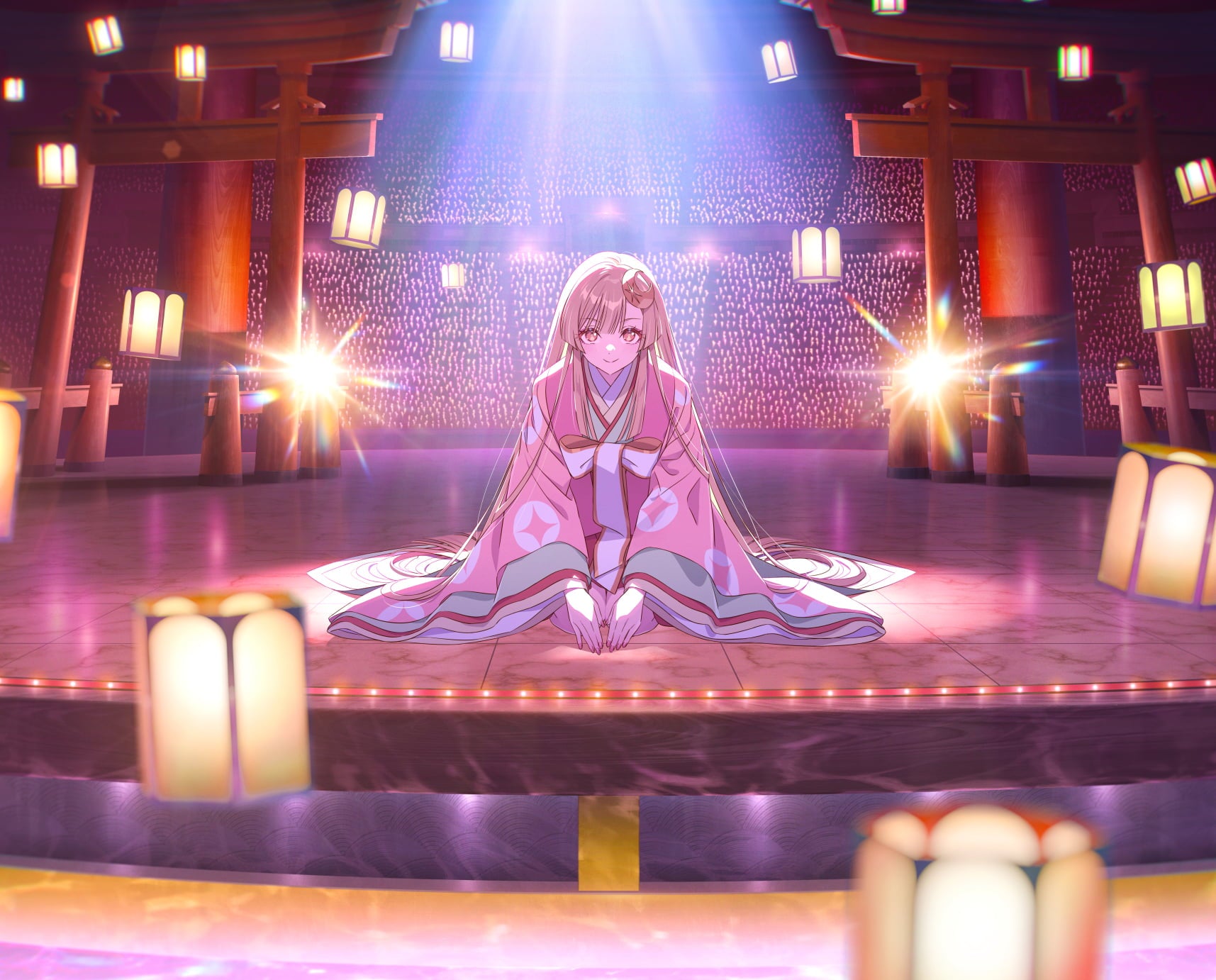
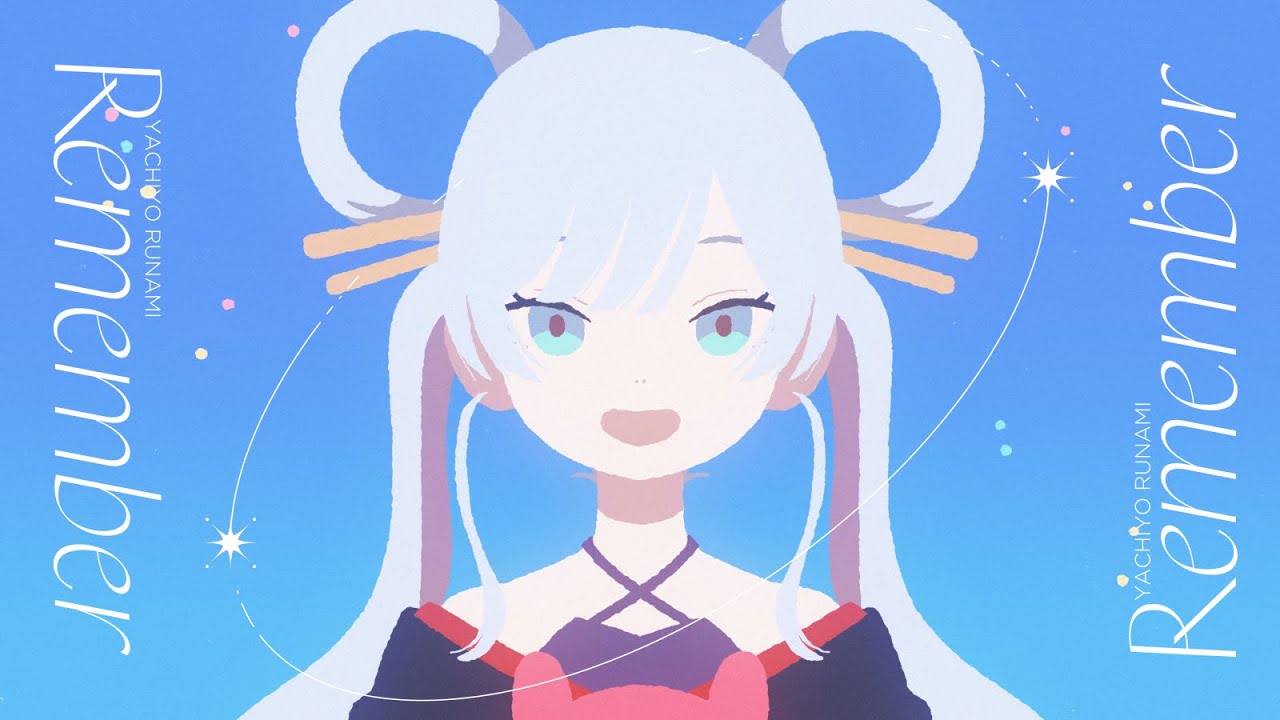
In terms of visual style, the Netflix version creates a clear visual dualism of virtual and reality. The real-world Tokyo scenes adopt a realistic style, while the virtual world "Tsukuyomi" uses an abstract, semi-pixelated style. This contrast not only creates aesthetic separation but also reinforces the story's theme narratively—the virtual and the real are not opposed but can complement each other.
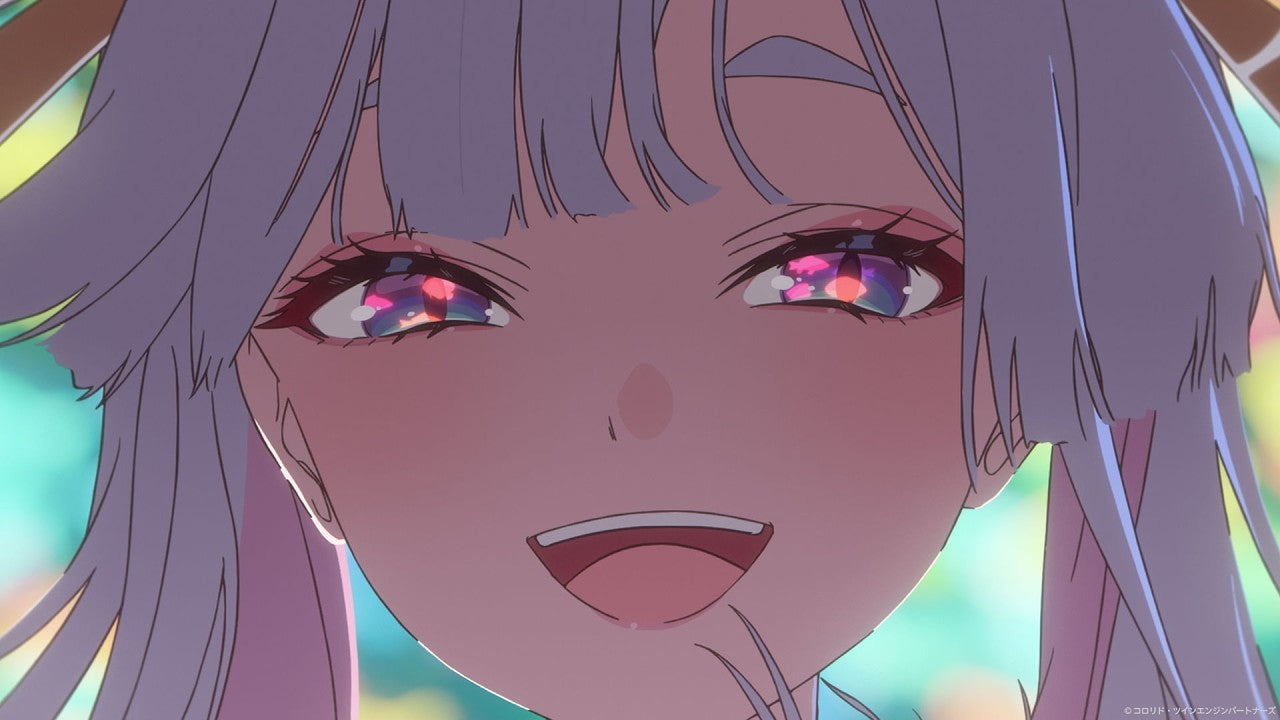
In terms of character personality, the Netflix version makes significant changes to Princess Kaguya. Compared to the gentle but somewhat passive Princess Kaguya in Isao Takahata's version, the Netflix version's Princess Kaguya is more lively, proactive, and even a bit mischievous. She does not passively endure her fate but actively seeks to change it. She escapes from the Moon, forms a friendship with Saaya, and ultimately finds a new way to survive through the time loop. This reflects different era's expectations for female characters—from passive acceptance to active resistance.
| Comparison Dimensions | Original Story "The Tale of the Bamboo Cutter" | Isao Takahata Version | Netflix Version |
|---|---|---|---|
| Historical Context | Heian Period, 10th Century | Modern 2013 | Virtual Era 2026 |
| Narrative Structure | Linear Narrative | Linear Narrative (Enhanced Detail) | Non-linear Narrative (Time Loop) |
| Meaning of the Ending | Fate Cannot Be Changed | The Eternal Value of Human Experience | The Possibility of Transcending Fate |
| Visual Style | Textual Description | Classical Painting Style | Modern + Virtual Hybrid Style |
| Female Characters | Passive and Gentle | Passive and Gentle | Active and Dynamic |
| Core Themes | Fate and Tragedy | Poetry and Humanity | Freedom and Transcendence |
The Philosophy of Adaptation: The Cultural Mirror of Each Era
Why has The Tale of the Bamboo Cutter been continuously adapted? The answer lies in the fact that the fundamental life questions posed by this story are valid for all eras. The question of "how to face an unchangeable fate" within the story is meaningful in any era. However, each era's answer to this question is different.
The original The Tale of the Bamboo Cutter, representing the Heian period, was an era deeply influenced by Buddhism and Taoism, where fatalism and the concept of reincarnation were deeply embedded in people's worldview. Against this historical backdrop, Kaguya's eventual return to the moon palace was seen as an inevitability—life is fleeting, and fate is ultimately determined by heaven and earth.
Isao Takahata's version was produced at the end of the 20th century, a postmodern era where people began to doubt the validity of grand narratives and turned to value personal experience and microscopic feelings. Therefore, Isao Takahata emphasizes that every moment of Kaguya's experience on Earth is valuable; even if the ultimate outcome cannot be changed, these experiences themselves possess existential meaning.
Netflix's version represents an era where artificial intelligence, virtual reality, and quantum physics have begun to deeply penetrate humanity's cultural imagination. In this era, traditional linear causality is questioned; time is no longer seen as an absolute forward flow but is understood as relative and rewritable. Therefore, Netflix's version proposes a possibility not raised by the previous two versions—if time itself is malleable, can we then transcend the limitations of fate?
Respect and Innovation in Adaptation
Despite the vast differences in the direction of adaptation among the three versions, interestingly, they all show sincere respect for the original work. This respect is manifested in the preservation of the story's core themes—all are about separation, reunion, sacrifice, and eternity. Regardless of the narrative structure or visual style employed, all three versions attempt to answer the same question: under the arrangement of fate, how should we understand love and connection?
The respect in Isao Takahata's version is reflected in the meticulous presentation of details—through the poetic depiction of Kaguya's earthly experiences, it allows the audience to deeply feel the original story's insight into the transience of life. The respect in Netflix's version is reflected in the innovative interpretation of the story's deep logic—it does not negate the original story but reintegrates its various elements using a new narrative method.
The coexistence of these three versions, in fact, presents multiple possibilities for adaptation. Adaptation can be both a continuation and deepening of the original (as in Isao Takahata's approach) and a bold reconstruction of the original (as in Netflix's approach). The key is not whether the surface of the story is changed, but whether the essence of the story is grasped and meaningfully elucidated in contemporary language and form.
The Creative Boundaries of Modern Adaptation
The repeated adaptation of The Tale of the Bamboo Cutter also raises an interesting question: is there a limit to the number and manner of times a story can be adapted? If we continue to adapt this story, will we reach a critical point where adaptation becomes meaningless?
For now, the answer seems to be no. Whenever society and technology undergo significant changes, new adaptations of classical stories emerge. If virtual reality technology becomes omnipotent in the future, perhaps The Tale of the Bamboo Cutter will be adapted into a story set in a completely virtual world. If humanity achieves time travel, perhaps new adaptations will appear. This continuous adaptation reflects humanity's relentless pursuit of understanding eternal questions through contemporary means.
However, this also raises questions about the ethics of adaptation. When does adaptation become distortion? When does innovation become a departure? There are no absolute answers to these questions, but at least in the various adaptations of The Tale of the Bamboo Cutter, we can see a good practice—despite employing different strategies, all successful adaptations preserve the humanistic core of the story and attempt to reactivate the spiritual essence of the classical tale within a contemporary context.

Conclusion: The Modern Life of the Classical
The continuous adaptation of The Tale of the Bamboo Cutter proves that true classic works possess vitality that transcends their era. If a story can be reinterpreted in different ways across different times and resonate in each era, then it is a true classic.
From the fatalism of the original The Tale of the Bamboo Cutter, to Isao Takahata's version's poetic celebration of life, to Netflix's version's bold imagination of time loops, what we see is not merely multiple adaptations of a story, but different human answers to the meaning of existence. Each generation uses the language and technology of its own time to inquire into the same fundamental questions of life.
Over the Moon brings The Tale of the Bamboo Cutter into the virtual age with its innovative narrative form and avant-garde visual style. It poses a bold hypothesis—with the help of technology and imagination, can we transcend traditional limitations of fate? While the answer in the original story is negative, in Netflix's version, it is affirmative. And this is precisely the power of adaptation—it allows us to pose old questions in new ways and explore new possibilities.
Classical literature endures through generations precisely because of this quality of being constantly reinterpretable. What will future adaptations of The Tale of the Bamboo Cutter look like? We cannot know, but one thing is certain: as long as humanity continues to ponder eternal themes like love, fate, and transcendence, this classical tale will continue to be retold, illuminating new eras in new ways.
留言 (0)